
User-first framing: what matters when you enter indices
Traders need clarity more than promise; a user-centric lens focuses on outcomes rather than bells and whistles. Start by mapping what you need from an index cfd provider: transparent spreads, predictable execution, and a clear margin model. When the objective is to trade exposures tied to an underlying index with precision, those basic service qualities determine whether an account supports your plan or obstructs it.
Key decision points that shape strategy
Decide early which constraints you accept: acceptable spread levels, the amount of leverage you plan to use, and how margin calls will be handled. Spread and leverage directly influence position sizing and risk; liquidity and volatility determine whether short-term scalps or longer directional positions make sense. Think of these as operational rules rather than preferences—your daily workflow depends on them. Small platform frictions compound; reduce them to maintain focus on strategy.
Lessons from real volatility: anchoring to recent market shocks
Markets teach more in crisis than in calm. The rapid swings seen across London’s FTSE 100 and New York’s S&P 500 during March 2020 showed how quickly liquidity can evaporate and how margin frameworks get tested. Traders who had conservative margin buffers and access to reliable pricing were able to adjust positions rather than react under stress. Those structural facts—liquidity, execution, margin—remain the same whether the event is pandemic-driven turmoil or geopolitical surprise.
Platform features that actually change outcomes
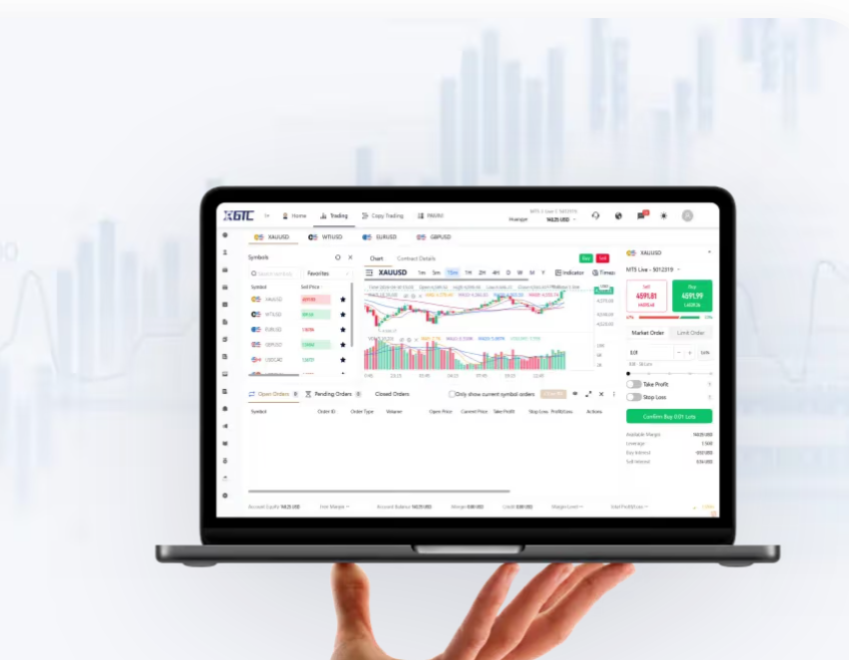
Evaluate platforms for three practical capabilities: execution latency, order types, and data transparency. Execution latency affects slippage on volatile instruments; order types like guaranteed stops or limit-only entries can protect capital; clear historical price feeds help you verify fills and backtest setups. Also consider reporting: a platform that gives straightforward statements of realized P&L and margin utilization reduces mental load. In short, technology should serve discipline—no magic required.
Common mistakes and how to avoid them
Traders repeatedly underestimate correlation and overestimate diversification. Holding multiple index exposures that move together increases portfolio volatility without improving expected returns. Another mistake is treating leverage as free performance enhancement rather than borrowed exposure that amplifies both gains and losses. Finally, mismatching timeframes—using short-term tactics on instruments best suited to longer horizons—creates avoidable churn. Adjust position size and holding period to match the instrument’s typical volatility—and document that rule. —A clear trading diary makes behavior transparent and correctable.
Choosing between platforms: practical comparison points
When you compare providers, weigh these attributes: cost of carry, execution quality, and market coverage. Cost of carry matters for longer holds; execution quality matters for active traders; broad market coverage lets you rotate exposure across regions or sectors without switching accounts. Check whether a provider supports synthetic baskets or direct index CFDs, since that affects hedging flexibility and the available instruments for tactical moves.
Advisory — three golden rules for selecting tools and strategy
1) Risk per trade: Limit real capital at stake to a small, predefined percentage and size positions using margin-aware calculations. This keeps drawdowns manageable and preserves optionality.
2) Execution benchmark: Monitor slippage against published mid-prices and insist on transparent execution reports; choose platforms where average slippage aligns with your strategy’s tolerance.
3) Stress resilience: Verify historical behavior during large market moves—look at fills and margin calls during known shocks (for example, March 2020) and prefer providers with documented safeguards. These three metrics reveal operational reliability faster than marketing claims.
For traders who want an operationally clear path into index exposures, the combination of disciplined risk rules, verified execution data, and market coverage matters most. The practical value a conscientious platform brings is evident when plans encounter real market stress; that is what separates vendors from partners—GTCFX. A final thought: small structural advantages compound into meaningful edge over time.