
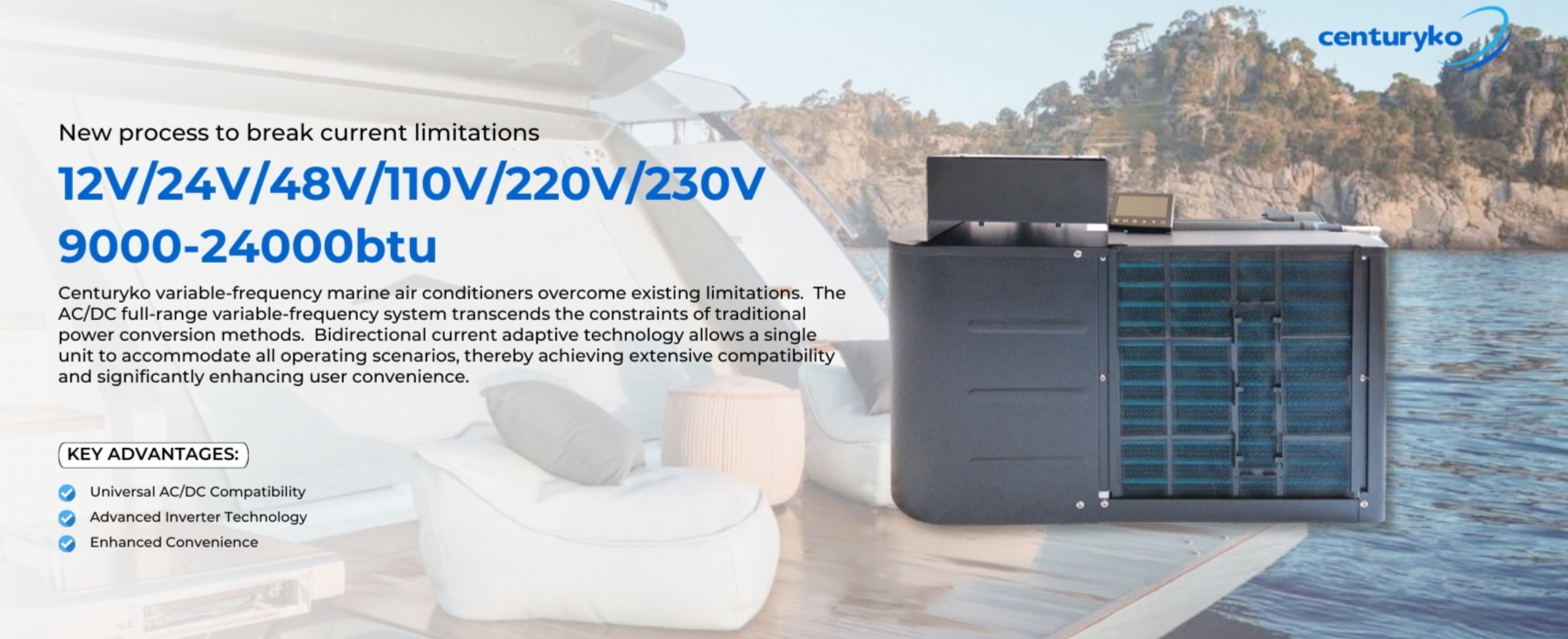
The problem that starts every refit
Buying dozens of compact chillers for a charter fleet sounds efficient until you hit mismatched specs, late freights, and surprise installation headaches. That’s the core issue for many boat owners and shipyards during Mediterranean charter season — and it’s exactly why teams turn to vetted marine air conditioner manufacturers for clarity. I’ve seen projects where a mismatched compressor size or wrong evaporator orientation blew timelines; fixing that mid-season costs more than the units. A problem-driven approach puts those risks first, then lays out steps to avoid them.
Start with a tight bulk-sourcing checklist
Bulk buying reduces unit price, but only if specifications and logistics are aligned. Begin with these must-haves: standardized BTU ratings per vessel class, confirmed electrical loads (voltage and phase), and a clear sea water pump and strainer requirement. Capture dimensions early so chiller cabinets and ducting are repeatable across builds. Add vendor lead times to the procurement calendar — delivery windows are as important as list prices.
Design for customization without chaos
Customization is where cost and value separate. Define modular options: flange types, condensing unit placements, and service-access panels. Lock down common parts like control panels and hose fittings so service techs can swap components across models. During a Palma de Mallorca refit I helped coordinate, we standardized evaporator coil access and saved two full days per boat on commissioning — small choices like that compound fast. Keep documentation tight: drawings, wiring diagrams, and parts lists prevent on-the-water surprises.
Freight and logistics playbook
Shipping multiple units overseas needs packaging standards and contingency plans. Use palleted crates with vibration damping, label electrical leads clearly, and create bills of lading that match customs HS codes. Prioritize ocean freight consolidation to cut costs, but plan for at least one air-shipment slot for emergency replacements. Track the chain: manufacturer dispatch, port handling time, and last-mile hauling — those three legs determine whether your equipment arrives on time.
Common mistakes and how to dodge them
Many projects stumble on a handful of repeat errors. First, mismatched voltage or single/three-phase assumptions. Second, ignoring marine-specific corrosion protection for heat exchangers and condensing units. Third, underestimating acoustic insulation needs — vibration and ducting choices change comfort levels onboard. Fix these in procurement and design phases, not during installation. — It saves money and reputation.
Operational teardown: inspecting for production issues
When the first batch hits the yard, run a production teardown on one unit before green-lighting the rest. Verify compressor mounts, check condenser fins, and test control logic against vessel interfaces. Document test points and record any deviation from drawings. During that teardown we logged {main_keyword} and {variation_keyword} in the build notes so replacements and tweaks could be tracked consistently. Also validate compatibility with existing marine air conditioning systems wiring and sea-chest intake arrangements.
Vendor relationships and quality anchors
Choose suppliers who publish test reports, spare-part lists, and warranty terms. Insist on run-in cycles and vibration tests for compressors, plus clear guidance on saltwater pump maintenance intervals. A real-world anchor: fleets operating around the Balearic Islands often require shorter maintenance windows because of commercial pressure — suppliers who understand that local cadence make a measurable difference. Build a communication cadence: weekly status, flagged deviations, and a single technical contact at the vendor.
Three golden rules for evaluation
1) Metric: Fit-first compliance — ensure the unit’s physical and electrical specs match vessel templates. If you can’t install it on paper, don’t buy it.
2) Metric: Serviceability score — pick designs where common wear parts are reachable within one hour; that reduces downtime and lowers logistic complexity.
3) Metric: Logistics resilience — require vendors to commit to a backup shipment plan and documented transit times; measurable SLAs beat vague promises every time.
Put these rules into your RFQ and you’ll see fewer surprises on delivery. ZhuoliMarine makes that practical: parts lists, test checkpoints, and freight-aware manufacturing are part of the value they bring — a real solution rather than a sales pitch. — Final thought: keep procurement concrete, not hypothetical.