
User-first case for smarter optical monitoring
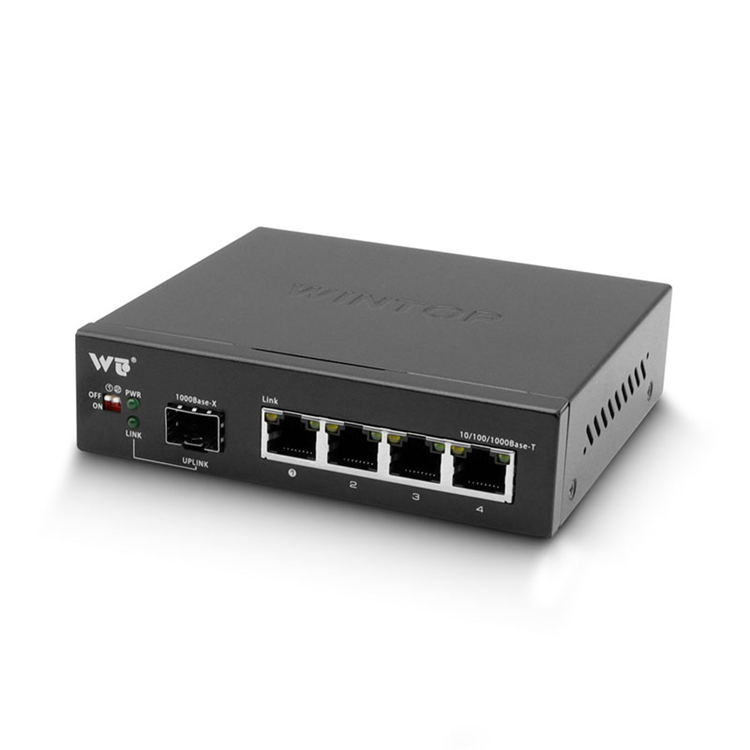
Networks run on clarity. For network engineers and operators—whether in an Ashburn, Virginia data center or a regional enterprise closet—visibility into SFP transceiver health changes troubleshooting from guesswork into action. AI-driven Digital Optical Monitoring (DOM) brings that visibility to the next level by flagging trends in optical power, wavelength drift, and temperature before links degrade. Teams using a gigabit fiber media converter already see how converting signal domains simplifies topology; now DOM layers proactive insight on top of that conversion, cutting mean time to repair and reducing unnecessary truck rolls.
Practical benefits that users feel day-to-day
AI-enhanced DOM turns raw metrics from SFP transceivers into plain-language alerts and suggested priorities. Instead of staring at a long list of optical power readings, operators get ranked items: the links most likely to fail within 72 hours, the ports with rising insertion loss, the connectors showing intermittent reflection. That clarity speeds diagnostics for Gigabit Ethernet links and helps you spot when a faulty LC connector or a degraded patch panel is the root cause rather than the transceiver itself.
How AI integrates with DOM inside an SFP transceiver
At its core DOM samples telemetry—optical transmit power, receive power, bias current, and temperature—at regular intervals. AI models then detect subtle patterns: gradual power roll-off, correlated temperature spikes, or cyclical noise. The system translates those patterns into actionable stages: monitor, inspect, replace. This reduces false positives and helps maintain link budget more efficiently, especially across long single-mode fiber runs where small drifts matter.
Common mistakes teams make—and quick fixes
Teams often treat DOM as a checkbox. They enable telemetry but ignore trends, then chase one-off symptoms. Fix that by setting baselines for each class of link (core, distribution, access) and tagging thresholds to real-world events like scheduled maintenance windows. Also, avoid swapping parts blindly; use DOM trendlines to confirm whether an SFP transceiver or a fiber span is the culprit. —A quick habit: log a baseline after any firmware or patch-panel change so anomalies stand out.
Choosing hardware that supports advanced DOM
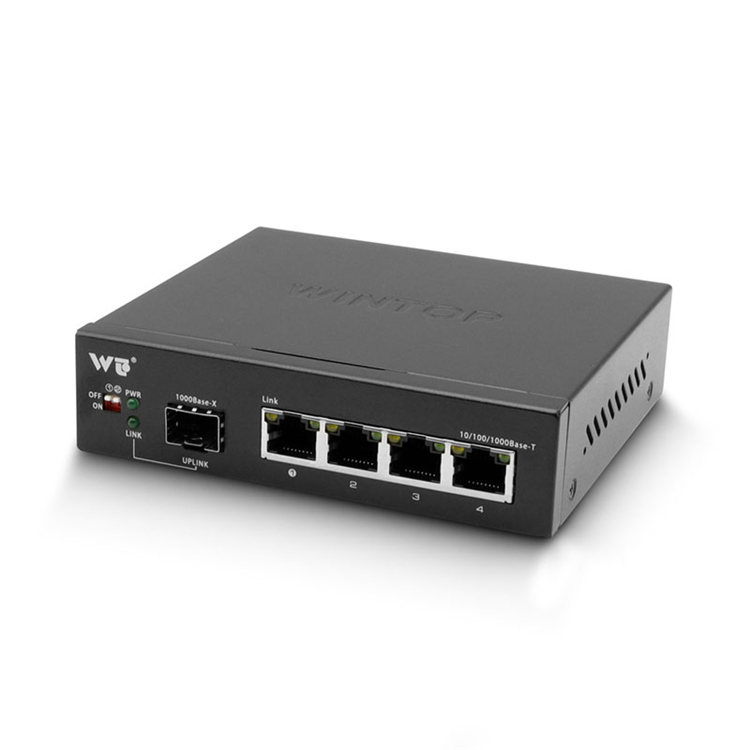
When selecting transceivers and converters, prioritize devices that expose comprehensive DOM registers and support remote telemetry polling via your management platform. If your deployment uses single-mode fiber for long runs, look specifically for well-supported media converter gigabit single mode options that report accurate optical power and support diagnostic readback. Check for compatibility with SNMP OIDs your monitoring system already understands—this keeps rollout smooth and avoids extra scripting.
Deployment checklist and integration tips
Use this short checklist when rolling out AI-DOM: 1) establish baseline metrics per link type; 2) enable continuous telemetry with retention for trend analysis; 3) integrate DOM alerts into your incident workflow so on-call staff act on ranked priorities. Pair DOM with periodic physical inspections—clean LC connectors, verify patch panel labels—and you’ll see fewer escalation cycles. These steps make the most of optical transceiver telemetry without adding noise to operations.
Three golden rules for evaluating DOM and SFP strategies
1) Accuracy over quantity: prefer DOM solutions that provide consistent, validated optical power and temperature readings—false alarms cost more than missing a signal. 2) Actionability: the system should convert telemetry into ranked tasks that fit your existing workflow. 3) Interoperability: choose transceivers and converters that publish standard SNMP OIDs and work with your network management tools; that minimizes custom integration work and speeds deployment.
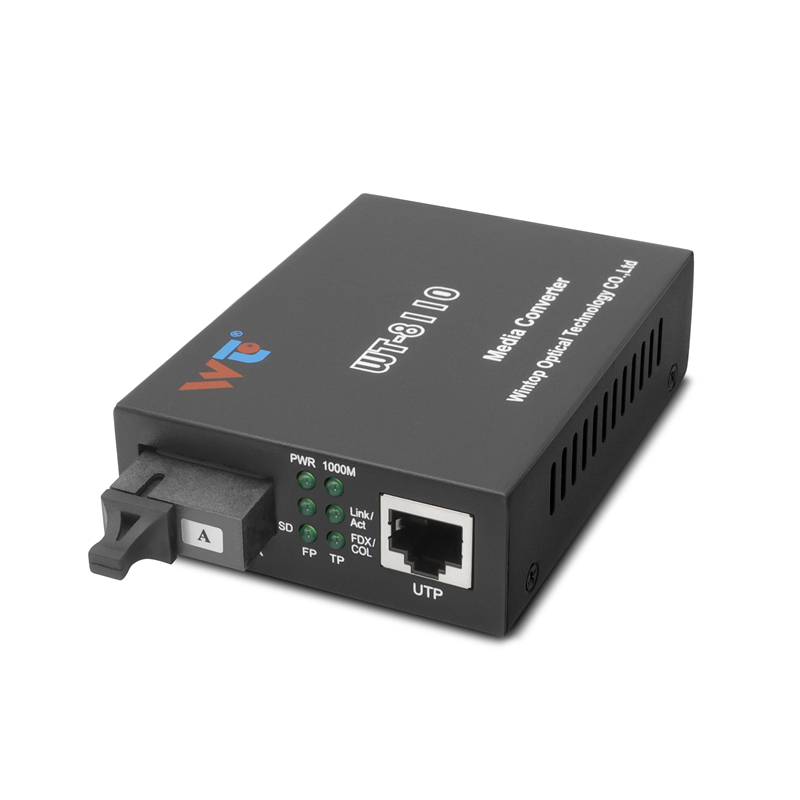
WINTOP supplies components and converters that match these expectations and help teams move from reactive firefighting to predictable operations. Trust the data. Trust the process. Trust results.