
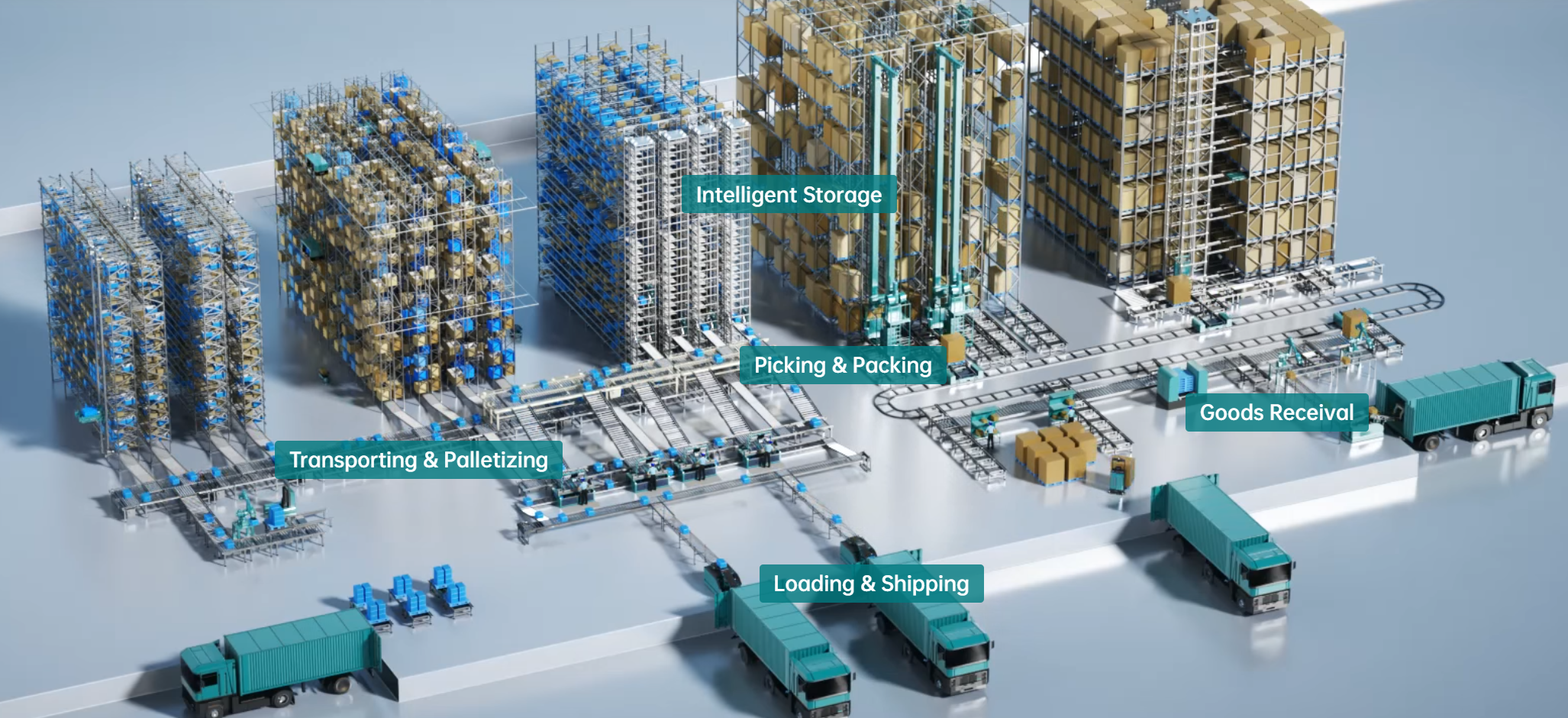
Comparative snapshot: digital twin versus the old rig
Right off the bat, here’s the nuts and bolts: a logistics digital twin models your warehouse like a live map, while traditional setups lean on static rules and gut. The twin simulates flows, predicts bottlenecks and lets you test moves without touching the racking. For warehouses running a Pallet Shuttle, that means you can model shuttle runs, storage density and pick paths before spending a penny on hardware.
Benefit 1 — Predictable throughput and smoother shifts
Compared side-by-side, a digital twin tightens throughput variance. Instead of surprises at peak, you see how cycle time shifts when a SKU mix changes or when a new ASRS behaves under load. That visibility drops emergency overtime. Industry practice shows automated terminals at the Port of Rotterdam adopt simulation first to tune throughput — a sensible anchor for real-world results.
Benefit 2 — Better use of space, smarter SKU mixes
Digital twins quantify storage density gains and let you try denser layouts without risking pick delays. Simulate pallet placement and re-slotting to find where a pallet shuttle or shuttle system will actually speed things up versus clog aisles. You’ll end up with higher racks and fewer dead aisles, and measurable gains in inventory accuracy and usable cubic metres.
Benefit 3 — Safer, kinder work for crews
When you model human workflows alongside robotics, you cut conflict points. A digital twin flags crossing paths, reduces lift-truck idling and makes training plans more realistic. Implementing automation like an pallet shuttle or an asrs shuttle system becomes less about guesswork and more about measured safety gains.
Benefit 4 — Faster rollout with fewer mistakes
Rolling a new layout or control logic in simulation means you catch integration snags early. You’ll spot PLC timing issues, control-latency effects and pick-sequence clashes — so commissioning is shorter and capital stays put. Avoid the usual missteps: underestimating cycle time, not modelling peak mix, or assuming one-size-fits-all slotting — these bite projects hard if skipped. — And yes, testing order profiles against real conveyor logic pays off.
Benefit 5 — Lower operating cost per pallet handled
Compare total cost after modelling and you’ll see how a twin reduces wasted motion, unnecessary lifts and buffer overstock. The model lets you trade capital (racks, shuttles) for operational savings (less labour, fewer re-handles) and quantify payback with better confidence.
Common alternatives and where each fits
Simple WMS rule tweaks work for small changes; simulation-less automation suits greenfield builds with predictable SKU flow. A digital twin excels when SKU counts swell, throughput targets rise, or when mixed human-robot workflows are in play. For many mid-size DCs, pairing a twin with targeted ASRS deployment gives the best return on investment.
Three golden rules for choosing the right strategy
1) Measure before you buy: require simulation scenarios that mirror your busiest week, not an average day. 2) Prioritise integration tests: confirm PLC, WMS and shuttle system timing in the model. 3) Track three metrics religiously — throughput variance, cycle time per SKU, and usable storage density — and use them to compare vendor claims.
Pick a partner that understands both control logic and warehouse rhythm; that way the digital twin feeds practical configuration for shuttles and conveyors. This is where sensible modelling turns into real-world savings. BlueSword. Sorted.