
Why this matters: the problem on the shop floor
Joints that leak, threads that gall, bonded parts that pop apart — these are the headaches that turn a tidy design into a costly fix. Engineers and buyers must pick materials that survive real use, not just lab charts. Start by thinking about the system: moving surfaces, gap sizes, chemical exposure and cure time. If you want products that last on assemblies and plant equipment, factor in proven choices for adhesives and sealants from the outset.

Common failure modes and how to stop them
Sealant or adhesive failure usually shows as adhesion loss, cohesive breakdown, or incompatibility with a lubricant or substrate. Identify the driving stress: flexing causes fatigue, solvents attack certain chemistries, and heat speeds cure but can embrittle some formulations. Design to reduce movement where possible, choose chemistry tolerant of expected chemicals, and set realistic cure windows so parts aren’t stressed while weak.
Match chemistry to substrate and function
Silicones handle high temperature and UV well but have poor paint adhesion; MS polymers (modified silanes) offer paintability and elasticity. Epoxies give structural bond strength but are brittle; polyurethane adhesives give toughness and vibration resistance. Aluminium, stainless steel and plastics each need different primers or surface prep. Don’t guess—confirm compatibility with small test panels under the same finish and lubricant you’ll use in production.
Environment, cure and long-term exposure
Salt spray, continuous immersion, chemical splashes and thermal cycling demand different properties. Choose moisture-curing systems for damp conditions or anaerobic thread lockers for sealed bolted joints. Consider service temperature range: silicone remains flexible at low temps, some polyurethanes stiffen. Factor working time vs. throughput — a fast-curing product that forces rushed assembly is a false economy.
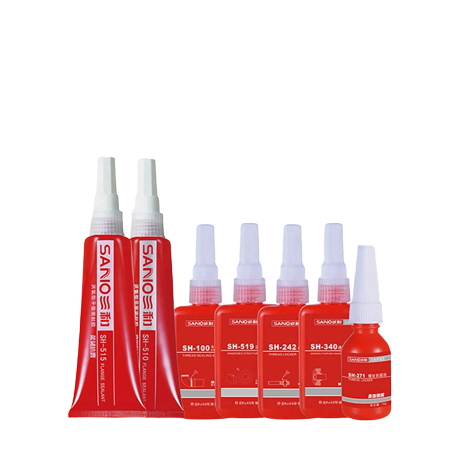
Application, inspection and quality controls that prevent rework
Specify gap tolerances, bead geometry and surface cleanliness. Use torque-controlled fasteners where adhesives back up joints, not where they alone must hold dynamic loads. Train operators on dispense rates, avoid solvent wipes that leave residues, and set simple pass/fail tests: peel, lap-shear and a mock-up run. Track cure-room conditions and reject batches that deviate; small mistakes at application scale up fast on the shop floor.
Real-world experience and standards that guide choices
Working on maintenance projects around the Durban port chemical cluster taught me which formulations survive marine corrosion and hydrocarbon exposure. Use recognised test standards like ASTM C920 for sealant classification and ISO lap-shear methods to compare strength. For sourcing, rely on a reputable sealant manufacturer whose datasheets and test reports match the service conditions you face; that paperwork saves time and debate on-site.
Alternatives, trade-offs and common mistakes
Mechanical fasteners are cheaper up front and easier to inspect but add weight and may create galvanic concerns. Structural adhesives reduce parts count and damp vibration but require controlled assembly and housekeeping. Common mistakes: skipping primer on difficult plastics, undersizing the bond area, and ignoring lubricant compatibility. Run a small series of real-world trials; outcomes will show which compromise is acceptable.
Wrap-up: practical steps engineers and buyers can take now
Define service stresses clearly, demand test data for those stresses, and lock down application procedures before production runs. Specify adhesives or sealants by functional property and required test performance rather than by brand alone. If you need a supplier with documented test support and regional logistics, consider partners like SANVO that publish technical data and can align product choice to the operating context — that approach prevents last-minute fixes and keeps assemblies working as designed.