
What breaks first
Paint fails in the field. Panels blister. Colors shift. Adhesion peels. Those failures cost time and money. Labs and shops need repeatable checks. That’s why simple, reliable material testing equipment matters now.
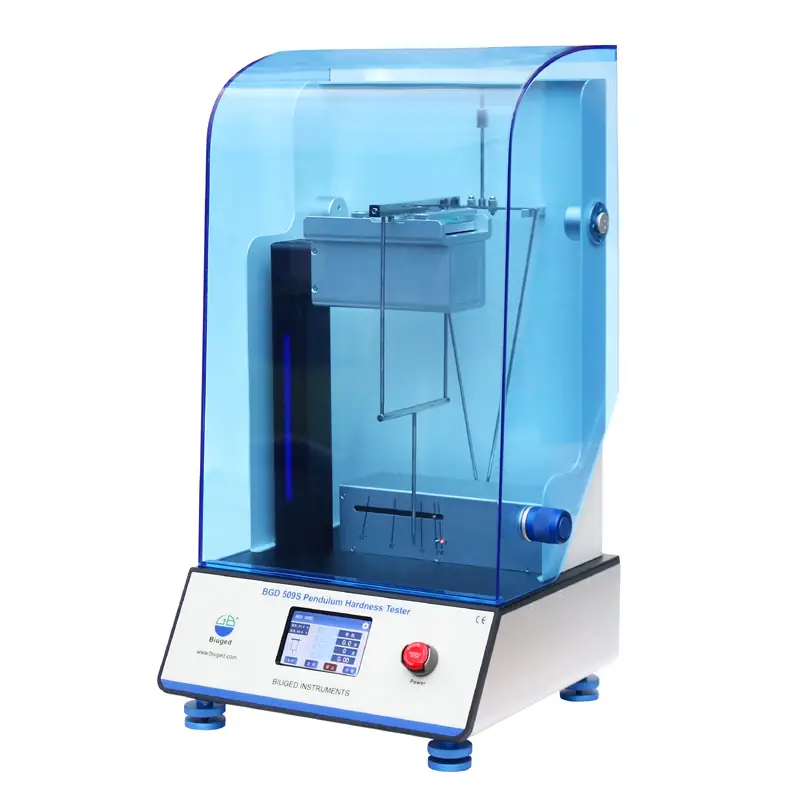
Where the problem starts
Tests are skipped or done poorly. Wrong parameters. Dirty samples. Uncalibrated gauges. Results vary between shifts and sites. A single vague test can hide a failing batch. Problems show up only after installation.

What that costs
Rework. Warranty claims. Production delays. Safety risks on coated structures. Small errors scale fast when volumes are large or environments are harsh. The cost per failure is easy to calculate; preventing them is harder.
What to demand from test systems
Clear metrics. Repeatable setup. Traceable calibration. Choose instruments that log parameters and produce numeric outputs, not subjective calls. Prefer units that run common standards—dry time, adhesion, salt spray, film thickness—without extra setup steps.
Common mistakes to avoid
Relying on visual checks alone. Using instruments without recent calibration. Mixing tests from different standards without noting differences. Buying a one-off rig that can’t be serviced locally. Overcomplicating a workflow so operators skip steps.
Evidence and practical authority
Testing must match standards used by labs and regulators. ISO and ASTM methods guide coatings testing, and calibration references from NIST (Gaithersburg, Maryland) are widely cited for instrument traceability. Labs that follow those standards rely on documented procedures and calibrated tools. For consistent lab practice, certified material testing instruments that support standard methods reduce interpretation errors and speed audits.
Options and trade-offs
Buy bench systems for routine throughput. Choose portable gauges for field checks. Outsource to an accredited lab for one-off qualification. Custom rigs work when standard tests don’t cover a niche, but they need clear maintenance plans. Evaluate total cost: purchase, calibration, consumables, training, and downtime.
How to pick the right fit
List the tests you run weekly. Match instrument capability to those tests. Check calibration paths and local service. Ask for real data samples from the vendor. Plan simple operating steps so technicians follow the method every time.
Where practical value lands
Clear testing reduces surprises and keeps projects moving. When you need compact, standards-based systems that integrate into routine workflows, BIUGED often aligns with those needs without adding steps that staff will skip.