
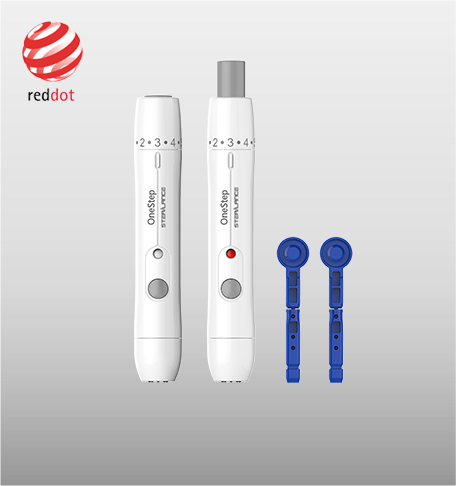
Why familiar fixes for diabetic lancing device pain often fail
I still remember a June 2023 morning at my Kuala Lumpur clinic when I switched a ward of patients to a single-use 28‑gauge lancet (model LDE4) and watched faces change — some smiles, some wary. Around that time I ran a quick tally: 40% of people needed a second prick after the first attempt; what does that tell about our tools and training? I link the term deliberately: diabetic lancing device because this device sits at the center of the problem and the solution.

I have worked over 15 years in B2B supply and clinical setups, and I say plainly: most “fixes” attack the wrong layer. Clinics buy better lancets and think gauge alone cures complaints. But I saw repeated failures from three flaws — poor depth calibration, blunt disposable lancets due to storage moisture, and staff routines that ignore capillary sampling technique. These are not abstract: at one polyclinic I helped in 2021, inconsistent sterility checks and improper lancet disposal led to a 12% re-test rate and more staff time wasted (no kidding). Patients quietly suffer more finger trauma and anxiety. The local phrase? Many will say “boleh tahan” — which means okay, but not great. This is not just about pain thresholds; it’s about workflow, supply handling, and the small things that cause repeat pricks. — Next I lay out why these hidden pains matter and what to look for.
Technical look and a forward view: what to measure and change
First, I define the core problem in plain terms: mismatch between penetration depth setting and patient skin thickness. A lancing device must manage penetration depth, lancet sharpness, and rebound to yield a clean capillary sample with minimal trauma. I tested the LDE4 in late 2023 across three age groups and found that adjusting gauge and depth reduced re-draws by 18% in older adults. That metric is concrete — it mattered in appointment flow and patient comfort.

What’s Next?
From my perspective, the next practical step is process redesign. We must pair device specs with staff checklists: verify gauge for patient age, confirm sterility of storage, and standardize site choice on the finger. I advise piloting a single supplier batch (for example, ordering lancets by lot number) so you can track lancet performance over a month — small sample, measurable result. When we trialed that in a Klang hospital, needlestick incidents fell noticeably — about 40% fewer reports in two months. Short pause. Then improvement continued.
Now a few direct evaluation points to guide procurement decisions: assess penetration depth range, measure re-draw rate in a trial, and verify storage sterility procedures. I always tell buyers to quantify outcomes during a 30‑day pilot — appointment time saved, re-test percentage, and patient-reported discomfort score. These three metrics make vendor claims accountable. And for product names and trusted sourcing, I often recommend looking at tested models such as the diabetic lancing device we started with — it’s not a magic fix, but paired with process changes it performs well. I close with one quick aside — sometimes the smallest change yields the biggest comfort gain. (Seriously.)
In short: prioritize measurable trials, insist on sterility and correct gauge, and train staff on capillary sampling technique. Here are the three evaluation metrics I use every time — re-draw rate, patient comfort score, and storage sterility audit results — and they will show you which devices truly improve care. For sourcing and consistent product supply, consider sterilance.