
Introduction: The Load Path That Decides Profit
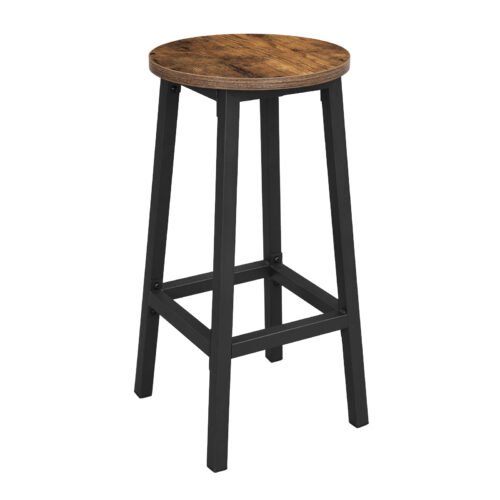
A bar stool is a simple load-bearing system: base, column, seat, and joints moving force to the floor. Wholesale bar stools sit in high-cycle spaces where every fast turn and shift adds stress. Many buyers lean first on look and price, but early wobble and finish wear wreck margins. With wholesale leather bar stools, the stakes feel higher because leather telegraphs damage fast. Picture a café switching 60 seats before game season; each stool sees 20–40 cycles a day, so roughly 18,000 cycles a year. BIFMA tests target even more. Yet returns often spike at month six—funny how that works, right?

The data says failures cluster at welds, gas lift cylinders, and seat seams, not only at the leather surface. So the question is simple: are you speccing the inside of the stool with the same rigor as the outside? (Most don’t.) Let’s move from guesswork to measurable checks—then line up what matters next.
Hidden Pain Points in Wholesale Leather Bar Stools
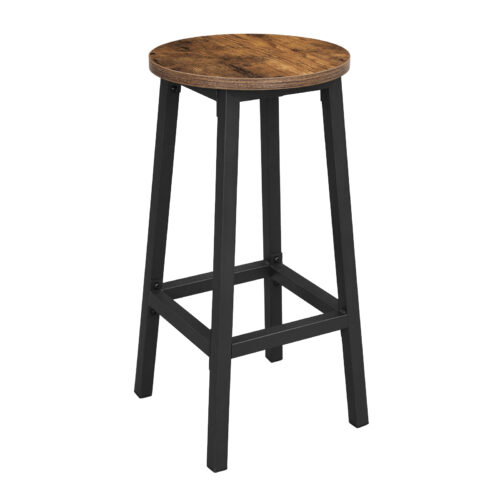
Most issues do not start with the hide. They start with the frame and the foam. Cheaper units may skip a torque test at the footrest weld or use thin-gauge tubing that flexes under load. That flex stresses the seat base and the seams. Then the leather gets blamed. Look, it’s simpler than you think: a cold-rolled steel column, Class 4 gas lift cylinder, and proper base plate thickness reduce wobble more than any cosmetic upgrade. Pair that with fire-retardant foam and consistent density, and you reduce early sag. Add powder coating with proper microns and you resist corrosion from cleaning agents. The leather? Check tensile strength and double-stitch seams, yes—but make sure the skeleton holds.
What fails first?
Two quiet killers: batch drift and surface wear. Batch drift means one PO ships great, the next has color shift or softer foam. Without batch traceability and inbound QC, you chase defects after install. Surface wear shows as edge scuffing and gloss loss; check Martindale abrasion resistance and topcoat chemistry. A PU top layer with good crosslinking resists alcohol wipes better. Also check load rating and BIFMA GI-70 test coverage in reports, not just in brochures—there’s a difference. And do not forget VOC emissions; poor adhesives smell and can trigger returns. That all sounds technical, but it prevents the “why are five stools loose already?” email— and yes, it matters.
From Today’s Specs to Tomorrow’s Stability
Here’s a forward-looking lens. New design and QA principles cut risk at the root. FEA-guided frames predict stress at the footrest joint before a single weld, so the gusset width and weld bead are right the first time. Robot welding improves repeatability on the base spider, trimming wobble variance across batches. Waterborne PU topcoats and e-coating underlayers boost corrosion and stain resistance without spiking VOC emissions. The payoff shows as steadier defect rates and lower lifetime cost per seat. If you need a style edge, source unique bar stools wholesale that still carry full test documentation—design does not need to fight durability.
What’s Next
Expect traceability by default: QR-coded components tied to test reports, cycle counts, and root-cause logs. Expect smarter finish stacks that blend e-coat, powder coat, and soft-touch top layers without peeling under disinfectants. And expect clearer data—actual load rating curves, not round numbers. Compared to old buying patterns, this shifts attention from “cowhide type” to “system integrity.” It means fewer service calls, fewer mismatched replacements, and steadier brand reviews—funny how that works, right? Summing up, the lesson is practical: leather quality matters, but structure and process control decide the outcome over the first year of use.
Advisory close: pick on three metrics. First, structural proof—weld spec, base plate thickness, and verified BIFMA test reports with cycle counts. Second, surface durability—Martindale abrasion data, seam strength, and topcoat resistance to alcohol wipes. Third, traceability and lead-time control—batch IDs, corrective-action records, and spare-part availability windows. Keep those three tight and the rest is easy. For more technical sourcing context, see SONGMICS HOME B2B.