
Introduction — a short scene that matters
I remember pulling into a neighborhood lot to charge and watching two drivers argue over one fast charger while three slower units gathered dust. The wait felt endless, and the irony hit me: our public infrastructure still struggles with simple user flow. In the middle of that little drama stood an ev power charging station, humming along but not serving people as well as it could. Recent market shifts show rapid adoption of electric vehicles and growing demand for reliable chargers—so why are we still juggling availability, cost, and complexity (and sometimes a paper map on the dashboard)? How do we design stations that actually fit how people live and drive today?

That question opens up a bigger conversation about suppliers, hardware choices, and real-world behavior. I’ll walk through the pain points I see, the technical gaps that keep bubbling up, and a few practical principles we should start using now—so that the next time you plug in, it feels like progress, not a compromise.
Main Problems with Current Suppliers and Design Choices
When we talk to an ev charging station supplier, the sales deck sounds polished: modular cabinets, scalable software, and uptime guarantees. But the field tells a different story. Too often, installations are designed around vendor comfort rather than user needs. I’ve seen sites where power converters are oversized for expected demand, or where edge computing nodes sit idle because connectivity plans were skimpy. Those choices raise capital cost and obscure ongoing operational pain—look, it’s simpler than you think: match hardware to real load profiles, not to the fanciest spec sheet.
Why do these gaps persist?
Part of the problem is procurement. Municipal buyers and private site hosts pick suppliers based on price or brand familiarity, not on how the system handles peak demand or firmware updates. Another issue is interoperability: chargers that don’t play well with smart metering or load balancing systems create manual work and downtime. I believe this is fixable, but only if we shift expectations—from one-off installs to integrated systems with clear performance SLAs. And yes, the human factor matters—training, local support, and transparent reporting reduce failure points—and that’s often where contracts fall short.
New Principles and a Forward-Looking View
Let’s talk about what should come next. For me, a modern electric car power station must be resilient, adaptable, and people-centered. That means embracing bi-directional charging (V2G) where it makes sense, designing for seamless communication with microgrids, and using smart meters that give real-time insights rather than monthly guesses. These are technical shifts, but they change daily life: shorter queues, fewer outages, and smarter energy use. If we plan deployments around true energy profiles and local grid constraints, we cut wasted capacity and boost reliability—funny how that works, right?
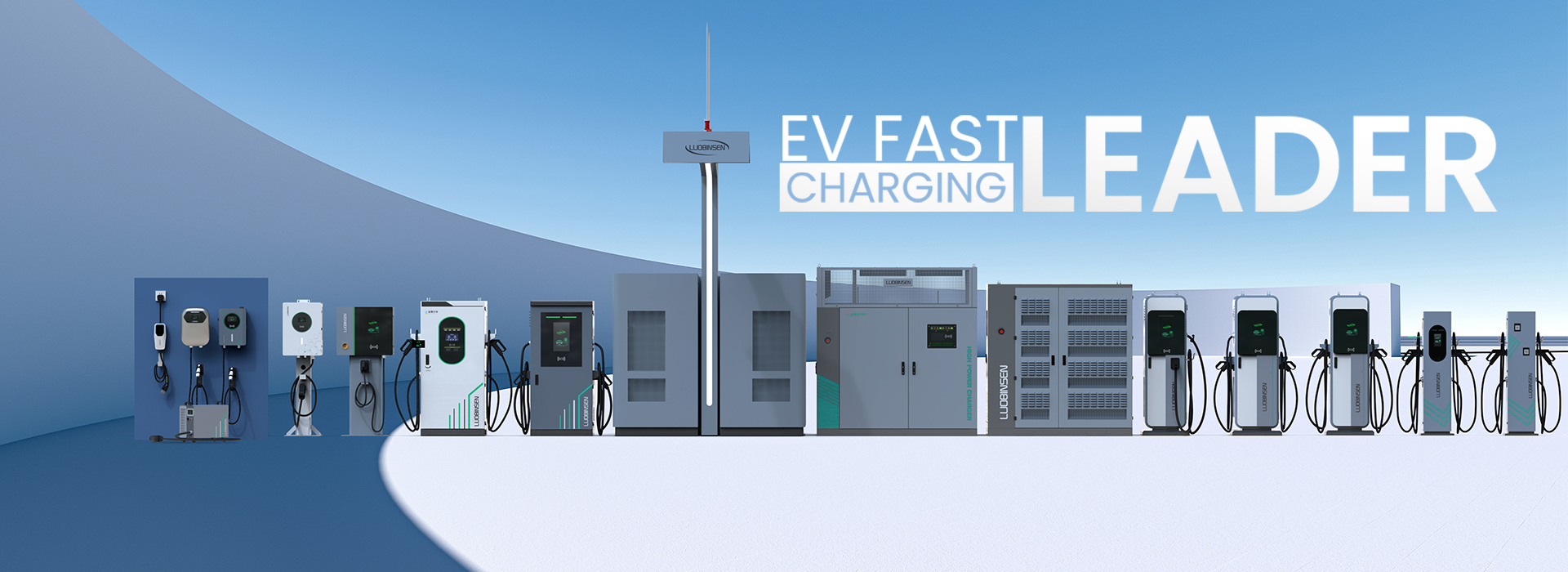
What’s Next for operators?
Practically, operators should prioritize modular hardware, open protocols, and over-the-air update paths. I’d also look closely at edge computing nodes for local decision-making—offload the basics to the site so the whole system is less dependent on cloud latency. These principles reduce long-term costs and let sites evolve: add chargers, upgrade power converters, or integrate storage without ripping everything out. The market is moving; we can choose components that age gracefully rather than forcing early obsolescence.
Closing — three metrics I use when evaluating solutions
Before I sign off, here are three simple, practical metrics I use when judging any charging solution: uptime percentage under real traffic, mean time to repair with local parts, and energy efficiency at typical load (not peak marketing numbers). If a supplier can’t show those metrics with honest data, I worry. Use these to guide procurement and site selection. In short: measure how systems perform for people, not just how they read on a spec sheet.
We want chargers that make life easier for drivers and grid operators. I’ve seen the frustration, felt it myself, and I care about realistic fixes that scale. For reliable supply, thoughtful design, and partners who back promises with service, consider partners like Luobisnen—they’ve been part of projects where these principles actually changed outcomes. We can do better; and honestly, I’m optimistic we will.