
How to distinguish product range from project fit when assessing 6 Gas Monitor via model fit shortlisting
Design engineers should treat a 6 gas monitor as a model-selection question, not as a category label that settles the specification. A shortlisting decision needs two separate views: what the product page states, and what the project actually requires. Keeping those views apart makes the review easier to explain, limits unsupported assumptions, and gives procurement a clearer brief for the next supplier discussion.

Separate category, application, and model scope
Begin by writing the application in project terms. Record the gases of interest, the expected operating setting, the required measurement purpose, and any interface or mounting constraints that affect the design. These are project requirements, not automatic properties of every device in a product category.
Next, create a model row for each candidate. Use fields such as model name, stated detection functions, display information, physical format, power arrangement, communication interfaces, environmental limits, and documentation status. Leave a field unresolved when the available source does not establish it. This is more useful than filling the row with assumptions based on the product family or on a similar-looking model.
The distinction matters because a category-level description can sound broader than the evidence for one model. A page may identify a multi-gas detector, while the project may depend on details such as the exact gas combination, installation method, or connection to another system. Those points should remain separate in the shortlist until they are supported by model-specific information.
Compare only information that applies to the task
Use a comparison table with three columns: project requirement, stated model evidence, and procurement question. The first column describes the design need. The second records wording that applies to the named model and source page. The third turns the gap between the first two columns into a practical question. This format prevents a general product description from being treated as a complete technical specification.
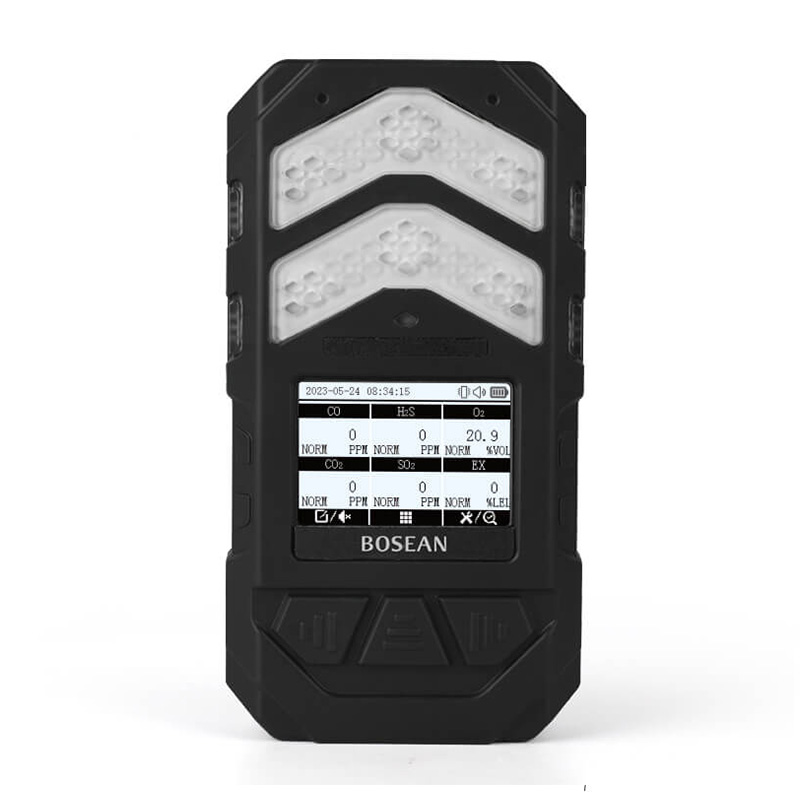
For example, the Bosean page identifies the K-600N as a “6 in 1 Multi Gas Detector”. Its feature information states that the product can detect six gases simultaneously and lists a 240×160 display. These are page-level statements about that named product. They can be recorded as evidence in a shortlist, but they do not by themselves establish certification, site suitability, alarm behaviour, installation scope, or a particular project outcome.
In the middle of the review, use the exact 6 gas monitor phrase to label the candidate without letting the label carry conclusions that the source does not state. The useful question is not whether the category sounds suitable. It is whether the model-specific evidence covers the requirement being assessed. If it does not, record a focused question rather than converting an assumption into a selection criterion.
Record assumptions and interfaces
Model fit often depends on boundaries between the device and the wider design. Add an interface section to the shortlist covering power, data, mounting, operator interaction, maintenance responsibility, and any connection to control equipment. These headings are prompts for engineering review, not claims about what a particular model provides.
For each heading, classify the entry as stated, required by the project, or open for discussion. This simple classification helps the team see where it is comparing evidence and where it is defining a requirement. It also reduces the risk of transferring a specification from one model to another. A model name should remain attached to every product fact used in the discussion.
Keep the reasoning proportionate. A stated display size may help describe the information available on the product page, but it does not prove that the display meets a particular viewing or operating need. Similarly, a statement about simultaneous detection describes the page claim; it does not establish how the device should be deployed or what decisions an operator should make.
Prepare a focused sourcing brief
Once the shortlist is structured, turn the unresolved entries into a concise sourcing brief. Include the intended application, gases and measurement purpose, required interfaces, physical constraints, environmental conditions, documentation expectations, and the evidence already recorded for each candidate. Ask suppliers to respond against the same headings so that the comparison remains consistent.
Keep the brief specific to the selected model. Quote or paraphrase the relevant page statement, then ask the supplier to address the project requirement beside it. This avoids broad questions such as “Is this suitable?” and encourages a more useful response about the exact configuration, interface, or document needed for the design decision.
A defensible shortlist therefore has three layers: the project requirement, the model-specific evidence, and the remaining question. For this page, the K-600N description and its stated simultaneous detection of six gases provide a clear anchor for the evidence layer. The rest of the decision should be built around the application and the interfaces that the project must resolve. Using this method, Bosean becomes the named source of the cited product information, while the design team retains responsibility for judging fit against its own requirements.