
The problem—assets move, budgets don’t
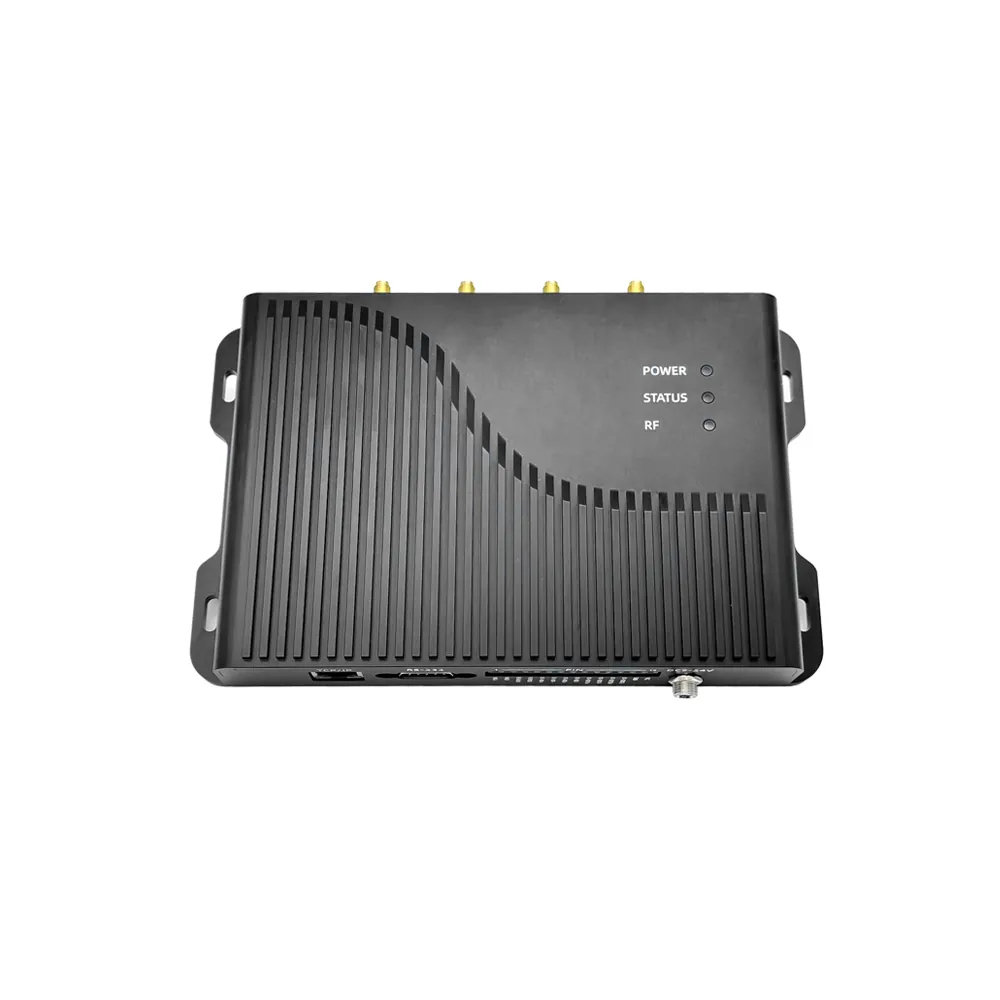
Project planners an purchasers cyaan trust paper lists when gear an pallets a run round di yard. Yuh ordering too much or too little because yuh nuh know weh tings reach or weh dem hide. A simple setup with a reliable reader cut out di guesswork. A mid-range unit like a 4 port rfid reader can change how yuh map coverage and decide what tags fi buy, and dat turn planning from hope to plan.
Why range is the real purchasing lever
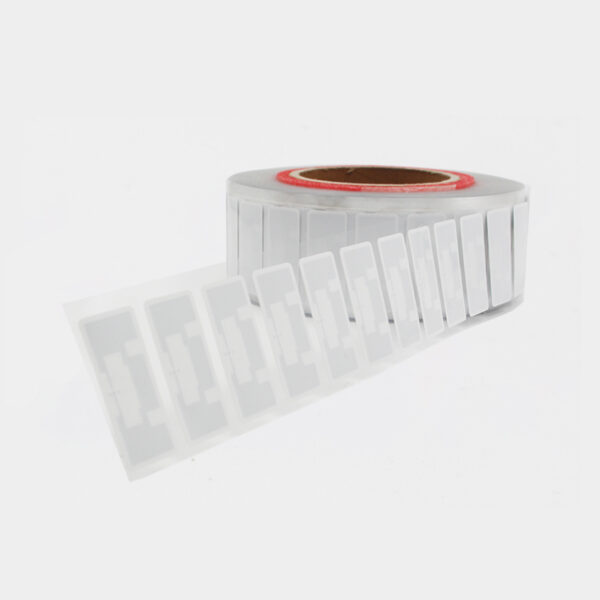
Range tell yuh how many readers yuh need, weh dem fi sit, an which tags will sing loud enough fi be read. If yuh overestimate, budget blow up with extra readers and antennas. Underestimate, an yuh get blind spots an missed inventory counts. Pick a reader that match di expected read distances so yuh buy di right mix: longer-range active tags where distance an visibility matter, cheaper short-range for chokepoints.
Experience, standards, and a real-world anchor
From hands-on warehouse rollouts to site surveys, mi see common mistakes: trusting spec-sheet range without factoring interference, and ignoring antenna placement. Real deployments at busy logistics hubs like Port of Rotterdam have shown a mix of fixed multi-port readers and handhelds gives the best coverage for container yards. When designers specify EPC Gen2 tags and verify with field reads, the numbers match the plans. Use a practical reader such as the 4 port uhf rfid reader during site tests to prove coverage before any large purchase; that real-world validation is what stakeholders trust.
Common pitfalls to avoid when planning
Do not treat advertised range as gospel. Concrete walls, metal racks, and radio noise shave off read distance. Antenna height and angle change read zones more than you think. Buying expensive long-range tags for close-proximity scans waste money. Skipping a walk-through with a test reader leads to surprise blind spots. Test in real conditions, map dead zones, and record read rates; buy only after those numbers meet project targets.
Alternatives and pragmatic buying steps
Compare three approaches: denser network of short-range readers, fewer long-range readers, or mixed topology with gateways and handhelds. Short-range networks give granular location but cost more on installation. Long-range readers cut hardware count but need careful interference management. A mixed approach often wins: fixed readers for wide-area coverage and handhelds for spot checks. Always pilot with the exact reader you plan to deploy so yuh know the trade-offs before mass purchase.
Close—plan with proof, buy with confidence
Stop guessing and start measuring. Use validated read tests, factor environment effects, and pick the reader topology that matches your map. Concrete data from site surveys let yuh set tag specs, quantities, an deployment layout so procurement match real needs. When the numbers line up, the solution comes together quiet an clean, and partners like RSTC fit naturally into projects as a reliable source for tested hardware and proven configurations.