
Why projects stall: the practical problem
Ideas fail at the handoff. You can design a perfect sealant on paper, but if it won’t bond, cure, or survive the assembly line, it’s useless. Even choices that seem small—like what kind of spray finish you use on clamps and brackets—matter. For example, picking the wrong spray paint for metal can wreck adhesion tests and force a redesign later.

Where failures actually happen
Surface chemistry, cure profiles, and handling create most problems. Metals carry oils and micro-scale oxide layers. Formulations packed with additives can change viscosity and cure time. Assembly processes add heat, solvents, and mechanical stress. If any of those variables isn’t tested against the final substrate, you get leaks, bond loss, and warranty returns.
Formulation constraints you can’t ignore
Pick raw materials for measurable properties, not marketing copy. State the target: lap-shear strength, peel strength, temperature range, and allowed outgassing. Choose polymers and tackifiers that match those numbers. Watch VOC limits and regulatory lists. Keep solids content and rheology within process tolerances so the material dispenses and levels consistently on fast lines.
Surface prep and adhesion—what works, what doesn’t
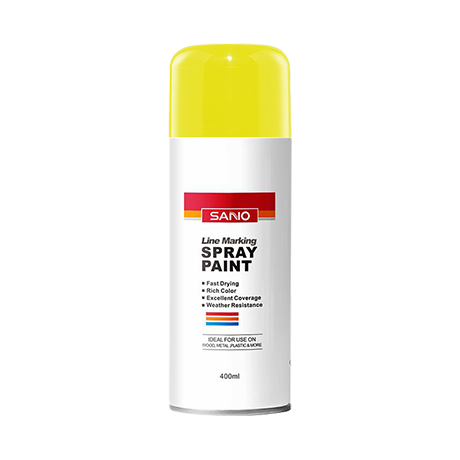
Cleaning, mechanical finish, primers, and adhesion promoters are where sticks get made or broken. Mechanical abrasion increases surface area; compatible primers create chemical bridges. Skipping a primer to save time usually costs more in rework. If you need quick guidance on adhesion behavior for painted parts, labs and trade shows test these variables publicly—at the European Coatings Show in Nuremberg researchers and suppliers demonstrated why does spray paint stick to metal and which pretreatments change outcomes.
Testing and scale-up that actually prevent recalls
Use progressive tests: coupon tests, accelerated aging (salt spray, thermal cycling), and full-subassembly validation under expected stresses. Simulate line conditions: cure oven profiles, fixture times, and robot application variability. Track batch-to-batch variability with simple QC checks—viscosity, solids, cure index. Don’t trust supplier data sheets alone; run your own reproducibility tests.
Common mistakes that waste time and budget
Skipping early substrate tests, overfitting a lab recipe to bench tools, and ignoring storage/transport conditions are top offenders. Over-thinning for sprayability or ignoring pot life under warm shop conditions leads to inconsistent bonds. Misreading vendor compatibility statements and failing to document acceptance criteria invite disputes later.
Practical alternatives and trade-offs
Solvent-based systems give fast cure and strong bonding but raise VOC and safety costs. Waterborne reduces VOC but may need longer cure or stronger primers. Anaerobic adhesives suit threaded joints but need clean metal contact. UV-curing adhesives are fast but need line redesign for light access. Choose by matching performance metrics to the assembly constraints, not by guessing from labels.
How to set go/no-go criteria fast
Create a checklist: substrate ID, target mechanical metrics, allowable cure window, environmental exposure class, and line-compatible viscosity. Require a minimum of three passing runs on pilot tooling before moving to full production. Track failure modes and assign root causes so fixes are formulaic, not ad hoc.
Final synthesis
Fix the cheap problems early—surface prep, primer choice, and simple laboratory-to-line validation—and you remove 80% of production risk. When the team needs consistent solutions and supplier reliability, practical, tested chemistry and clear acceptance criteria win. Those are the exact things that align with what SANVO builds into its product and process support, so manufacturers get materials that behave predictably on the line.