
Introduction: A Morning Ride, a Number, and a Question
You roll out before sunrise, city still soft and quiet, and the road feels like it belongs to you. The cruiser motorcycle hums steady under low revs, almost like it speaks in a calm voice. After the first 20 km, traffic clears, and the engine sits near 2,800 rpm. Many V‑twin and parallel‑twin cruisers make their best pull between 2,500–3,500 rpm, often 70–100 Nm there, and that number matters more than the brochure top speed. In real rides, comfort is not only the seat or the chrome. It is how the torque curve holds you, how the vibration sits on the bars, and how heat wraps the knees (chai mai?).
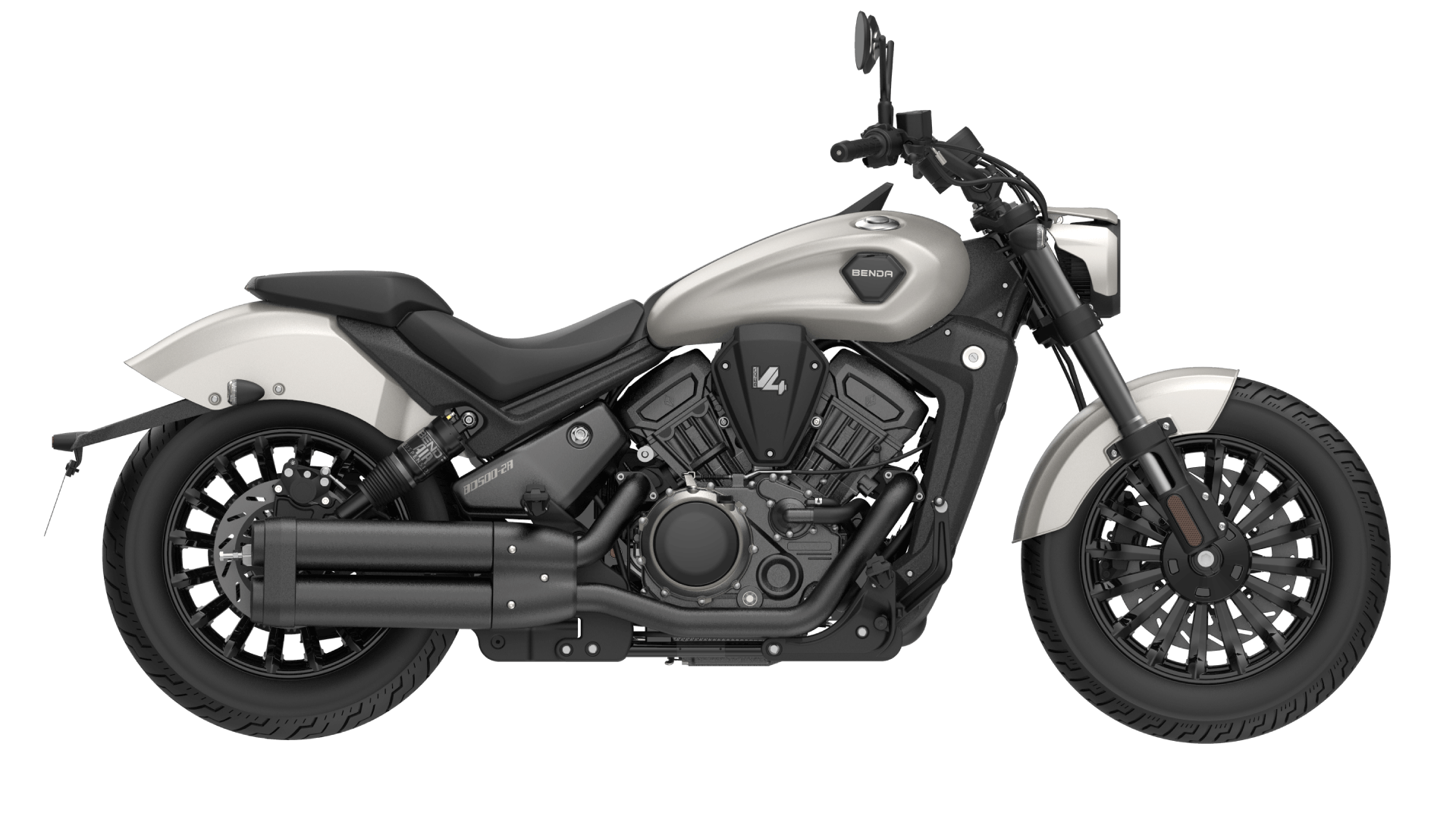
Here is the simple question: if two bikes weigh the same and look the same, why does one leave you less tired after 200 km? We look to the low‑RPM torque curve, throttle response, and gearing. A flat curve reduces gear hunting and micro‑vibration. A choppy curve forces your wrist to work and your neck to brace. This is not magic. It is physics plus ergonomics, paired with rake angle and wheelbase that stabilize the line when wind pushes your chest. So, how does this shape your buying choice and your body at mile 180? Let’s move under the tank and see what old advice often misses.
Part 2: Why Old Buying Checklists Miss the Real Comfort Factors
What’s the real bottleneck?
Traditional advice says: test the seat, check the paint, listen to the exhaust, pay the deal. When you plan to buy cruiser motorcycle, that list feels safe. But it hides deeper limits. Key comfort comes from the torque curve shape, throttle mapping, and gearing spread. Look, it’s simpler than you think: a cruiser with a broad, low plateau lets you ride in one gear for longer, so wrists relax and your neck stops bracing every time you roll on. If the ECU mapping surges at 3,000 rpm, your body pays—funny how that works, right?
Ergonomics matter, but measure them as a system. Rake angle and wheelbase set straight‑line calm. Bar sweep and seat‑to‑peg drop set joint angles that fight or ease numbness. A belt drive trims maintenance and smooths pulses versus a chain at low speed. Poor suspension preload adds chatter, which becomes buzz at the grips. Layer in heat flow from the rear cylinder and you get knee fatigue by noon. Many buyers fixate on displacement, not delivery. The flaw in the old checklist is this: it inspects the shell but ignores the rhythm. Test the curve, not only the chrome. Learn how it holds 2,500–3,000 rpm with minimal oscillation and clean fueling. Then the long day feels short.
Part 3: Comparative Insight — New Tech Principles That Change the Ride
What’s Next
Modern systems shift the comfort game in quiet ways. Throttle‑by‑wire with refined ECU strategies smooths initial opening, so you leave a light without a jerk. Dual counterbalancers tame pulses while keeping character. Liquid cooling and targeted ducting move heat away from knees on hot days—Bangkok ring road, you will thank this. Some cruiser motorcycle brands now link ride modes to fueling tables, giving a soft map for town and a steady map for highway. CAN bus makes these parts talk neatly, so the changes feel seamless, not flashy. Compare two similar bikes: same weight, same power. The one with a flatter torque shelf and cleaner fueling keeps your grip loose and your breathing slow. Less micro‑correction. Less bracing. More miles without thinking about miles.

Future outlook is also practical: adaptive cruise, better ABS tuning on long wheelbases, and smarter thermal management around your shins. But the core lesson stays: low‑RPM stability equals body calm. To choose well, use three quick checks that you can feel and verify. First, look for a broad torque plateau near 2,500–3,000 rpm and note gear spacing that holds that zone without hunting. Second, scan for vibration control: counterbalancers, bar dampers, and a smooth belt drive; take a 15‑minute demo and watch your mirrors at steady 90 km/h—funny how mirror clarity predicts comfort. Third, assess heat paths and ergonomic angles: knee clearance from cylinders, bar sweep that matches your shoulders, and suspension preload that matches your weight. These are simple, human checks that turn specs into peace. Share what you find, ride safe, and keep the focus on the rhythm, not the shine. For those mapping options and learning across models, you can always start with a calm look at BENDA.