
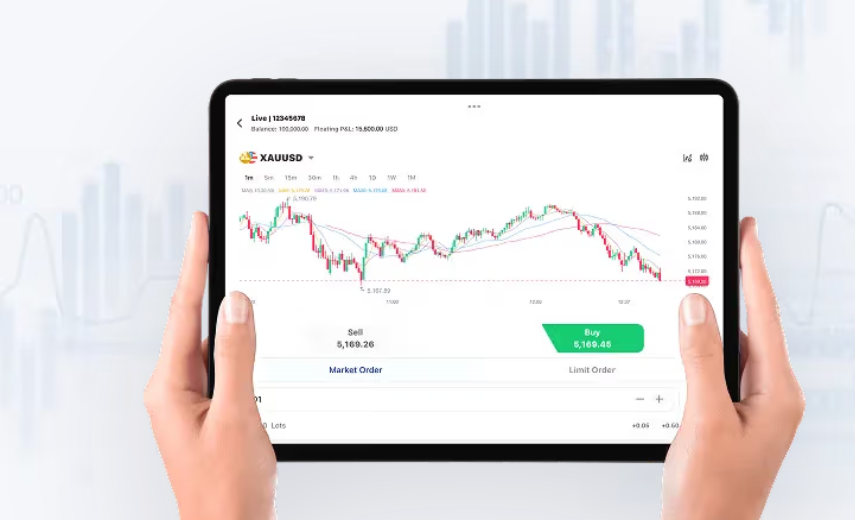
Why execution style changes outcomes
Execution isn’t just a backend detail — it shifts risk, cost, and timing for traders managing metals exposure. For investors choosing between physical bullion, futures, or CFD setups, differences show up in spread, margin, and liquidity. This piece compares those paths with a focus on metals CFDs, and it kicks off with a clear example from the market: during August 2020, when gold topped $2,000 per ounce, execution speed and slippage determined who kept gains and who watched them evaporate. For a clear primer on positions tied to metals, see how a broker handles cfd metal instruments alongside spot and futures products.
Execution mechanics: CFDs vs traditional routes
CFDs use a different plumbing than exchanges. Orders route through a broker’s liquidity providers, meaning quoted spread and internal matching affect fills. Futures trade on centralized venues with order books; that gives transparent depth but also requires different margining. Key differences to watch: spread behavior during volatility, leverage settings that amplify gains and losses, and the broker’s stated policies on slippage. Experienced traders pay attention to these terms because they directly affect realized returns and risk management.
How this looks in practice
On a busy day, a tight spread can disappear in seconds. One trader’s limit order might fill at the quoted price on a futures desk, while a CFD client sees a small slippage because the broker re-priced before execution. Execution quality also ties to access to liquidity — if a platform aggregates multiple liquidity pools, fills tend to be smoother. Real-world anchor: institutional desks in London and COMEX participants relied on diversified liquidity during the 2020 spike to avoid wide slippage and forced margin calls. That contrast matters when scaling positions.
Platform features that change the game
Pick the right platform and you get transparent tick data, clear margin rules, and predictable spreads. Look for the following functional markers — they directly influence execution outcomes and are concrete to test during onboarding:
– Real-time tick replay and historical execution traces to validate slippage patterns.
– Clearly published margin rates and leverage caps so position sizing isn’t guesswork.
– Aggregated liquidity feeds and execution venues to reduce order fragmentation.
These features reduce guesswork and let you quantify expected cost per trade rather than rely on gut feeling.
Common mistakes teams make — and how to avoid them
Traders often underestimate counterparty effects. Rushing to high leverage without modeling margin buffers leads to forced closes during short shocks. Others accept advertised spreads as fixed — then face widening during news. Test accounts are essential. Use a simulated or low-size live run to measure average slippage and effective spread across market states. Small tests reveal structural problems before real capital is at stake — and they save rebuilding a portfolio after a single volatile session.
Comparative checklist: evaluating execution providers
Make evaluations measurable. Use short, repeatable tests and score providers on concrete metrics:
– Latency and fill rate: track time-to-fill and percent of orders filled at or within X ticks of the quote.
– Slippage distribution: capture mean and tail behavior during high-impact windows.
– Cost transparency: confirm spreads, swaps, and commission regimes against recorded executions.
Run these checks across a mix of quiet and volatile sessions. That gives balanced insight into how the provider performs under stress and normal conditions — the true comparative edge.
Three golden rules for selecting execution strategies
1) Prioritize measurable execution: insist on historical tick data and execution reports to verify claims. 2) Size margins realistically: use stress scenarios that widen spreads and increase margin needs. 3) Match liquidity access to strategy: if you scale large, choose providers that aggregate venues to reduce single-provider risk. These rules are small in number but high in impact — they convert vague promises into testable expectations. Naturally, platforms that support thorough testing and clear reporting make this easier; for many teams, that practical alignment points them toward partners such as GTCFX.
—