
Introduction — a question I still ask myself
Have you ever stood on the shop floor and wondered why two similar machines give such different results? I have — many times. As someone who has sat across from dozens of vertical machining center manufacturers and watched setups unfold, I’ve learned to pay attention to small signals: cycle times, setup drift, and that stubborn chatter at certain feed rates. Recent shop surveys report up to 18% downtime from setup and fixturing issues alone — enough to make any manager squint. So, what separates a machine that reliably hits tolerances from one that keeps us guessing? (I’ll tell you what I look for next.)
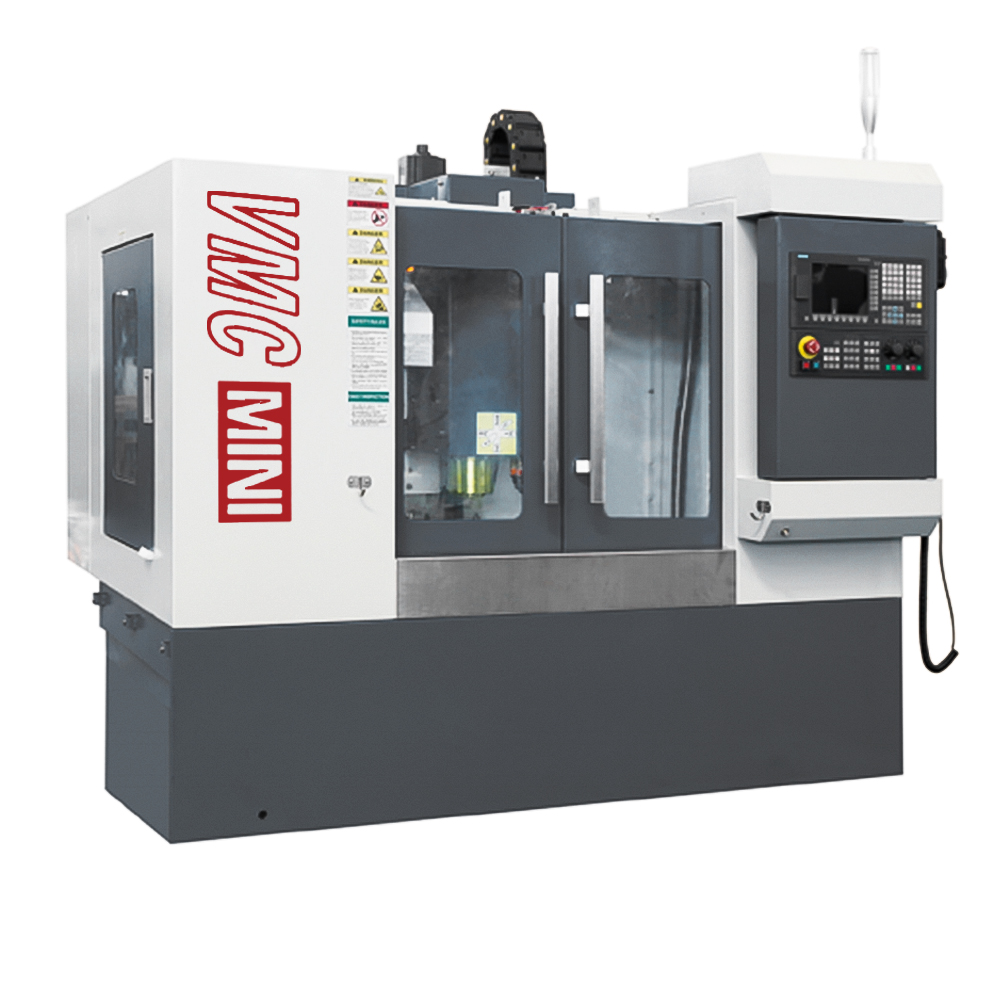
When I teach newcomers, I start from scenarios they actually face: tight delivery dates, mixed batches, and picky tolerances. Data helps — but the real clue is how a machine behaves when the program changes. That leads us right into the mechanics and choices behind those behaviors. Let’s dig into the real faults behind “standard” fixes and why the same checklist keeps failing shops like ours.
Part 2 — Where the usual fixes fall short
5 axis vertical machining center is a great tool on paper, but I’ve seen shops buy one expecting miracle throughput and run into the same bottlenecks. The trouble is often not the machine alone — it’s the interaction of spindle setup, the tool changer logic, and unnoticed axis backlash. You can tighten a spindle and swap tools faster, but if the CAM output and feed rate aren’t aligned, parts still fail inspection. Look, it’s simpler than you think: diagnostics must cover mechanics and the control chain together.
Why do standard fixes fail?
I’ll be blunt. Standard fixes treat symptoms. They crimp tolerances, they tweak speeds, they throw more coolant at the problem — but they rarely tackle root causes. For example, shops focus on spindle speed first, then blame tooling when surface finish is off. Yet the real culprit is often poor tool-path optimization in CAM software or subtle backlash in an axis that only appears on long contour cuts. I’ve seen shops replace a spindle motor and — funny how that works, right? — still find chatter because the tool holder or the clamping wasn’t addressed. You need a layered check: spindle balance, holder runout, cutter geometry, then the control’s compensation tables. If one layer is ignored, the rest compensates and hides the error until the worst time.
Part 3 — New principles and practical steps for tomorrow
What’s next? Let me share some concrete principles I now recommend. First, think in systems, not parts: spindle, servo motors, power converters, and the control must be tuned together. Second, use smarter tool-path strategies in CAM software that reduce sudden accelerations. Third, monitor the machine (edge computing nodes can help) so you see problems before quality does. When shops adopt these ideas, the gains are measurable: fewer tool changes, more consistent parts, shorter setup times. I don’t promise magic — but I promise consistent progress if you commit to the whole chain.
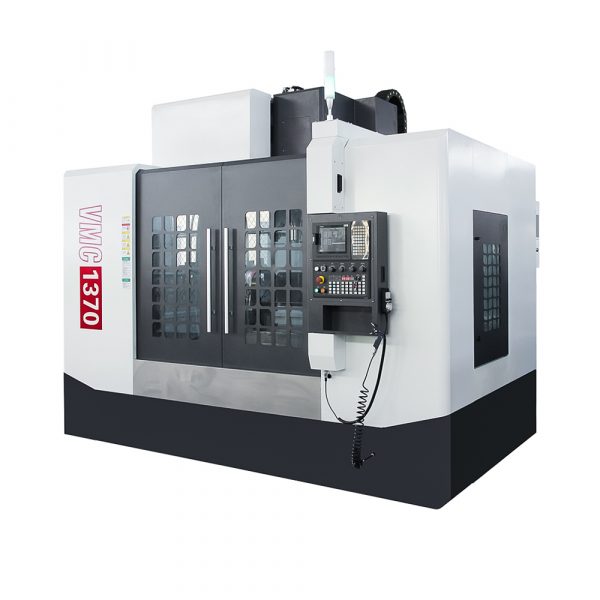
Real-world impact — what to measure
To put this into practice, I recommend three clear metrics when evaluating any new or upgraded system: 1) Net part-time per batch (how much operator time you save after a change), 2) First-pass yield (percentage of parts within tolerance without rework), and 3) Mean time between setup adjustments (how long the machine holds a setup). These are simple. They’re also honest. When I walk a floor now, I look at those numbers first. If they’re not improving, then something in the integration is off — not the brand name on the cabinet.
We still care about hardware: a good cnc vertical machining center will reduce cycle variability, but only when the software and fixturing match the process. And yes — choose suppliers who will talk systems, not just specs. For practical sourcing and a partner that understands integration, I turn to companies I can trust — such as Leichman. They don’t sell promises; they help you measure results. That’s the kind of help I’ve come to rely on.