
Comparing Personalized Learning and Adaptive Technology Across Applications
Overview: setting the frame
Look at personalized learning and adaptive technology side by side and the differences appear as texture: one is deliberate human design sculpted to a learner’s life, the other is an automated response tuned to immediate performance. This comparison focuses on how each behaves across classroom software, tutoring programs, and franchise education centers—an angle useful for investors, school leaders, and franchisors exploring education franchise opportunities while also researching teaching franchise opportunities. The goal is to show what each approach delivers in practice and where trade-offs are most visible.
How the two systems operate in applications
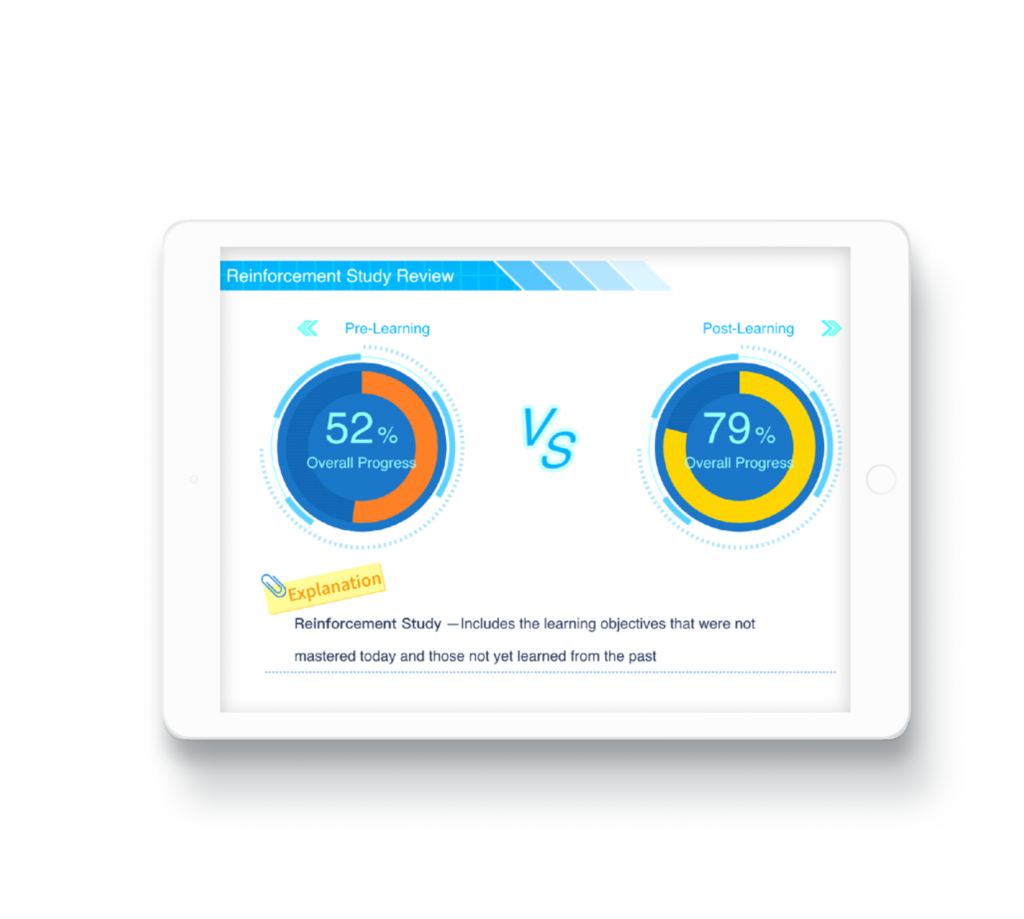
Personalized learning is often process-driven: educators map goals, adjust pacing, and layer social or project-based elements. It looks like a plan that adapts as a mentor reads nuance. Adaptive technology reacts to user inputs: exercise performance, time on task, or error patterns feed algorithms that adjust difficulty, sequence, or feedback. In apps, adaptive engines typically optimize for immediate challenge and practice frequency; personalized approaches account for motivation, context, and long-term progress.
Practical strengths by context
Adaptive tools shine where rapid, measurable practice matters—skill drills, formative checks, and immediate remediation at scale. They reduce repetitive design work and keep practice aligned to current performance. Personalized approaches excel when learning depends on relationships, complex projects, or transfer across domains—settings that demand human judgement and curricular nuance. For franchises and centers, the two often serve complementary roles rather than exclusive choices.
Common pitfalls to avoid
Don’t equate “adaptive” with full personalization. A system that changes question order is not the same as a curriculum tailored to a learner’s life circumstances. Avoid black-box complacency: accepting algorithm decisions without clear learning objectives obscures what students actually gain. Don’t neglect teacher capacity—tech without training creates surface-level adoption. Finally, don’t assume scale solves design flaws; wide rollout magnifies weaknesses as quickly as it amplifies strengths.
Alternatives and hybrid choices
Options beyond pure personalization or pure adaptation include blended models: teacher-led differentiated instruction supported by adaptive practice; modular curricula that let coaches insert context and projects; and platform partnerships that trade off custom content for robust analytics. Each alternative shifts control: more teacher input increases fidelity to individual needs, more automation increases consistency and throughput. The right mix depends on measurable outcomes you prioritize and how decisions will be made day-to-day.
Steps to evaluate for franchises and schools
Start with clear success signals—what mastery looks like and how you will observe it. Pilot small, observe both learner behavior and instructor workflow, then iterate. Verify that data flows are transparent, privacy safeguards are in place, and training covers interpretation of insights, not just button-pressing. Match procurement to operational capacity: a highly automated system requires reliable devices and connectivity; personalized programs require staffing models that sustain mentoring intensity.
Closing synthesis
Comparing these approaches sharpens the decision: adaptive technology offers rapid, granular responsiveness; personalized learning supplies contextual judgment and long-term coherence. When assessed this way, the practical solution often becomes a clear hybrid—tools that handle routine practice while humans shape purpose, pacing, and meaning—a balance visible in how Squirrel Ai describes partnerships between platform capabilities and educational implementation.