
Start with the user need
When you’re staring at a budget and a blank stage, the first thing to ask is what your audience needs to see — big type, smooth video, or crisp live-feed closeups — and whether you need a short-term fix or a long-term installation. If it’s for a one-off show or a touring setup, consider a led wall rental to avoid overbuying gear you won’t use next season. Keep it simple: pick the visual goal, then match pixel pitch and brightness to that goal.
Define measurable specs, not brand dreams
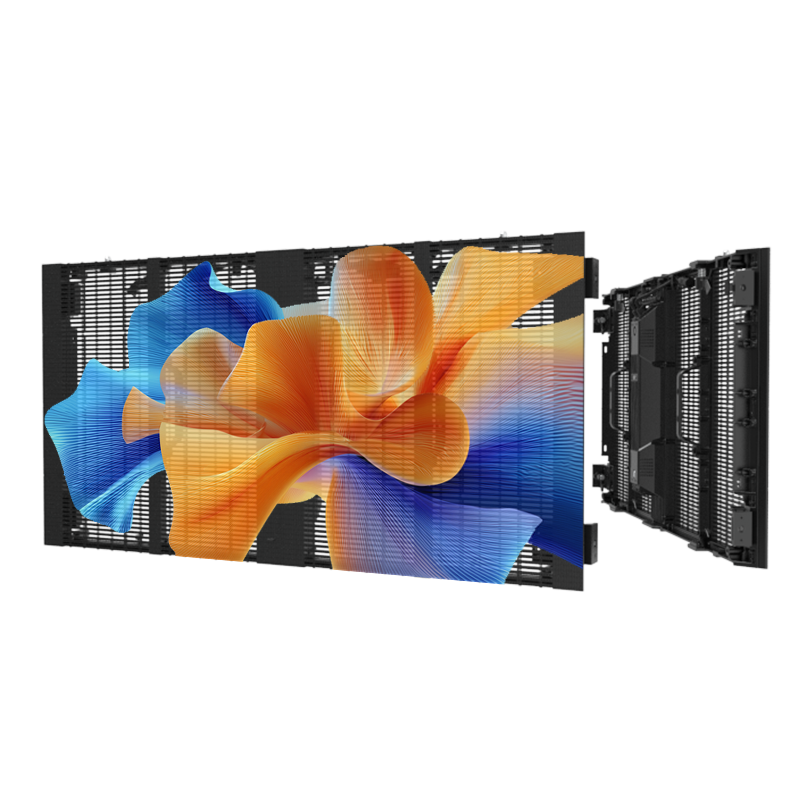
Tell vendors the hard numbers you care about: viewing distance, venue lighting, weight limits, and how fast the rig needs to go up and down. Ask for pixel pitch relative to viewing distance (don’t guess). Say whether you need flexible cabinets for curves or heavy-duty panels for outdoor wind. When you translate needs into specs, purchasing decisions get loud and clear — and surprise costs stay low.
Match procurement to use cases
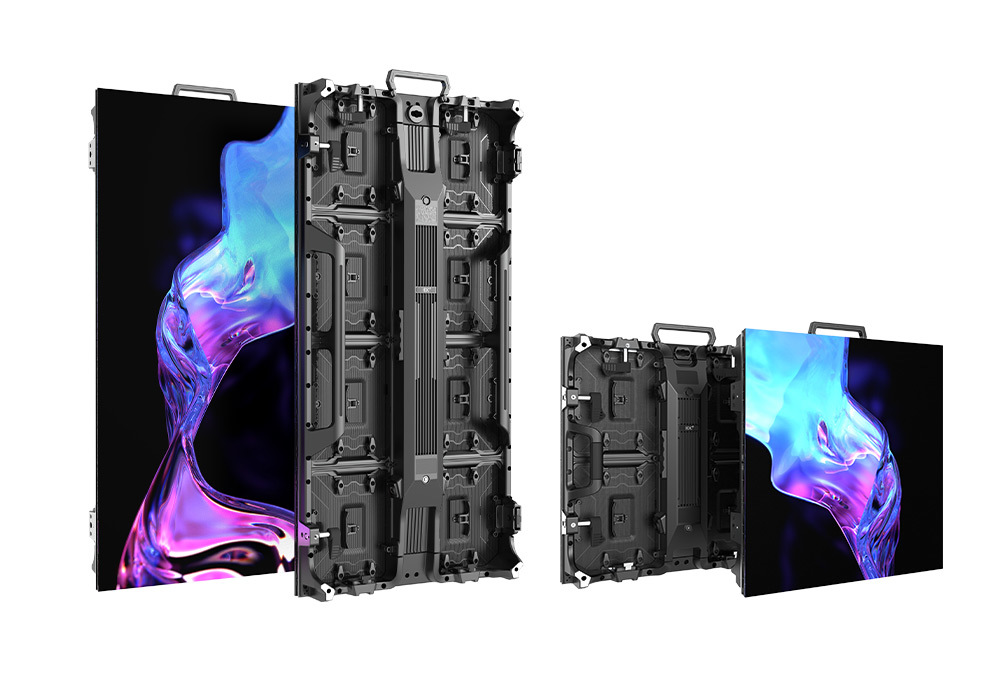
Separate gear into “always-on” and “as-needed.” Permanent installations can justify higher-end panels and warranties. Rental or touring pieces should favor durability, modularity, and quick swaps. Look at power and control redundancy: a single point of failure will ruin a show faster than bad weather. Budget realistically for transport, crew, and spares — those are line items some planners forget until it’s too late.
Common pitfalls to avoid
Don’t buy the prettiest spec sheet if the service support isn’t local. Don’t assume all pixel pitches look the same at concert-lighting levels. Don’t skimp on rigging and safety hardware. Vendors often promise “plug-and-play,” but inexperienced crews turn simple setups into hours of troubleshooting. Ask for test runs, ask for reference installs, and get written SLAs for service windows.
Experience, evidence, and one high-profile anchor
I’ve run AV and staging crews for over a decade and worked bids from school auditoriums to arenas; that hands-on field time shows which panels handle heat, which controllers choke on complex sources, and which vendors honor lead times. You can verify how rental fleets perform at major trade shows — CES in Las Vegas regularly highlights large-scale displays and how they’re deployed — and that kind of event-level example shows what works under real pressure. For planners sourcing display options, consider how a dedicated rental led board fleet fits your loadouts and staffing, then demand references that match your venue type.
Decision checklist for buying or renting
List your top three content types, minimum viewing distance, brightness needs, and whether the unit travels. Compare warranties, local support, and modularity. Ask for a site sketch showing panel layout and power runs. Test a short demo with your actual content if you can. If you rent, confirm setup window and onsite technician coverage; if you buy, build a maintenance and spare-parts plan into the first-year cost.
Wrap-up that actually helps
Make decisions around use, not hype. Start with the audience, turn that into clear specs, and pick procurement paths that match frequency and risk. When those pieces line up, planning becomes predictable and purchasing stops feeling like guessing — which is exactly the kind of steady result HDC aims to support.