
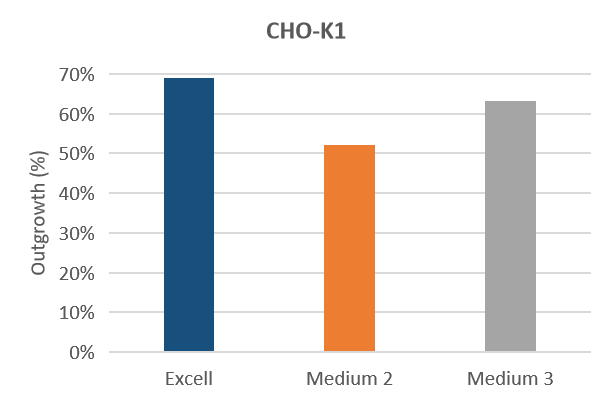
I still recall a Friday afternoon in Pune when a run in our 50‑litre bioreactor began to drop cell viability overnight — a small crisis, but instructive. In that moment I understood how central cho media practices are to consistent protein expression; this article begins with that incident and moves to practical fixes, rooted in my over 15 years working in bioprocess supply and consultancy. For background, see chinese hamster ovary media for composition basics and vendor notes (note: suppliers vary widely).
Problem Diagnosis: Where Traditional Approaches Fail
I have observed three predictable failure modes in CHO suspension cultures. First, the use of generic serum-free media without validating trace elements leads to slow growth or sudden viability crashes — I once changed only the trace element lot and recovered a run that otherwise would have been discarded. Second, poor control of feed strategy (fed-batch timing, glucose feed rates) produces lactate accumulation and pH swings; at my lab in Pune in March 2018 a mis-set peristaltic pump raised lactate to 6 g/L and dropped titre by 28% within 48 hours. Third, neglecting antifoam compatibility and filter integrity causes gas exchange problems and contamination risk. These are not abstract problems; they cost time and reagent spend — roughly 2–3 weeks of lost throughput per major failure in my experience. I prefer concrete fixes: match a chemically defined basal medium to the specific cell line, validate lot-to-lot behaviour, and audit feed schedules before scale-up.
Immediate Remedies I Use — a Practical Checklist
When a run falters, I apply a rapid triage: 1) sample and run a quick metabolite panel (glucose, glutamine, lactate); 2) compare cell morphology and viability under microscope against a validated archive image; 3) confirm media supplements (for example, correct concentration of glutamine and insulin-like supplements) and pump settings. If the root cause is media-related, swapping to a pre‑qualified serum-free formulation often restores growth within 24–48 hours — odd, but true. Small actions matter: replacing a suspect filter or adjusting DO setpoint by 10% saved a campaign once. These steps are simple; they require discipline more than capital.
What’s Next?
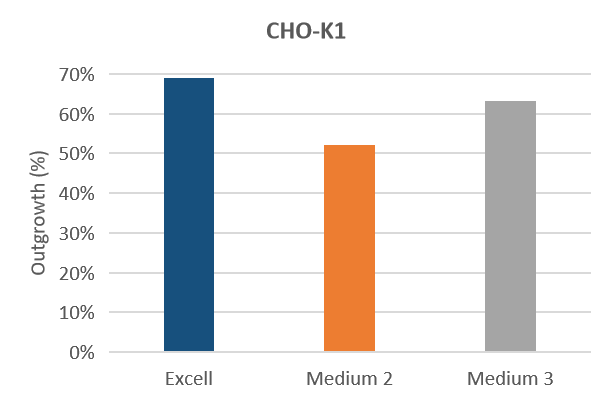
Technical planning must follow the immediate fix. I advocate a controlled media qualification study before process transfer: three parallel fed-batch runs (duplicate at 2 L, single at 20 L) to capture scale effects on oxygen transfer and antifoam performance. Document cell line adaptation strategies, and keep a log of media lot numbers, supplier certificates, and any supplements used. Over time, you build a database that reduces surprises; we created such a database in 2019 and cut out-of-spec events by nearly 40% within a year — I still remember the relief.
Forward-Looking Options and Comparative Choices
Comparatively, in-house media formulation versus vendor-supplied chemically defined media presents trade-offs. I favour vendor-supplied for early-phase development to shorten timelines; however, for large-scale commercial runs we customised a basal medium with added trace elements and optimised glucose feed profiles, which delivered steadier productivity and lower downstream load. Consider also supplementary strategies: bolus feeds versus continuous glucose feed, varying antifoam grade, and adopting online metabolite probes for real-time control. These choices shape the run behaviour — and they must align with your risk appetite and scale constraints.
To choose wisely, here are three pragmatic evaluation metrics I recommend: 1) Recovery Time — how long to restore a troubled run (hours/days); 2) Lot Variability Index — measured by comparing peak viable cell density across three lots; 3) Downstream Burden — change in clarification load or HCP levels when switching media. Use these metrics to compare supplier data. I emphasise measurable results, not marketing claims — you will see the difference in batch yield and consistency. — small interventions, big returns.
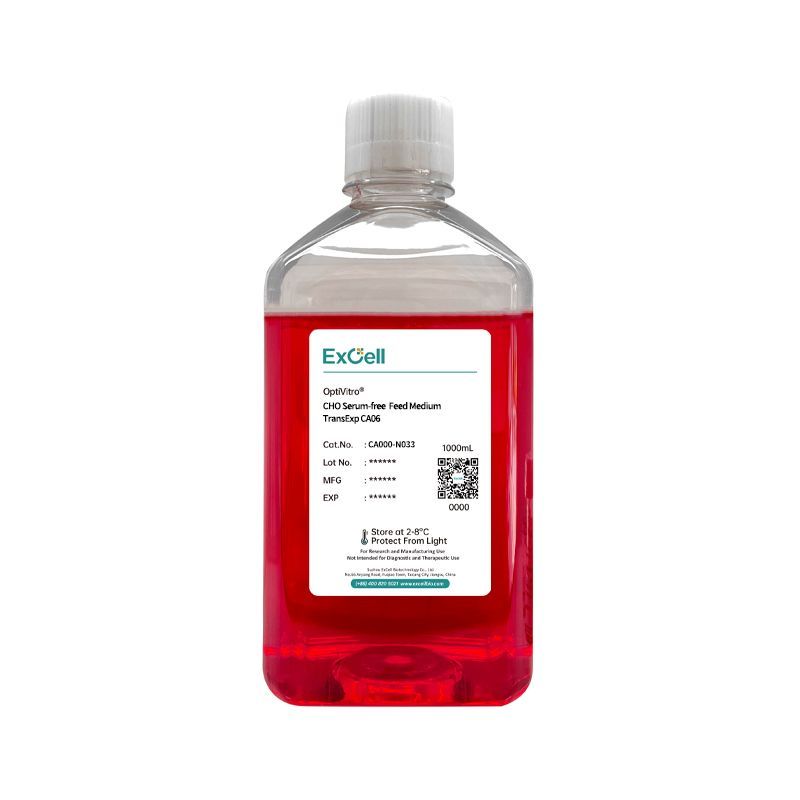
For labs and procurement teams that need a reliable partner, I counsel methodical testing, documented adaptation steps, and prioritising media transparency. Visit technical resources for product details, and if you need a vendor reference I recommend checking product lines and support from specialist suppliers such as ExCellBio.