
Introduction: Define the Dosing Stack, Then Stress-Test It
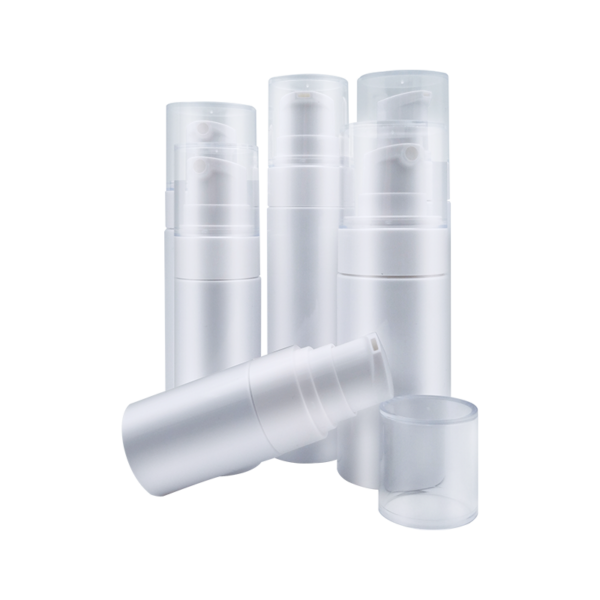
Precision dispensing is a system problem, not a single-part fix. The pet pump bottle sits at the center, but performance comes from the entire dosing stack: material, pump, spring, seal, and cap interface. In controlled pilots, teams report up to 12% variance in delivered dose when viscosity shifts from 200 cP to 1,500 cP, even with well-made pet plastic pump bottles. Meanwhile, field returns spike when closure torque drifts after freight vibration, or when dip tubes are trimmed without headspace modeling (yes, tube length matters). So the real question is simple: which design choices move the needle on accuracy, hygiene, and cost over the product’s lifecycle?
As we scoped in Part 1, “good enough” often masks failure modes that appear only under load—thermal swing, altitude, or user behavior. Today we go deeper into what fails first in the traditional setup and why. Then we compare what’s different in newer assemblies that hold their Cpk under stress. Let’s move from broad claims to testable signals—so you can tune for line throughput and dose repeatability. Next up: where legacy choices quietly leak value.
Where Traditional Solutions Falter: The Invisible Friction Points
What fails first, and why?
Legacy designs usually assume perfect neck finish tolerance and stable closure torque. In reality, 24/410 finishes drift, liners cold-flow, and freight knocks caps loose by a few degrees. That small slip breaks seal integrity and invites back-siphon. The actuator may look fine, but the spring rate plus orifice geometry can create micro-cavitation at the end of stroke. That’s where you see dose tails and messy residues. Add formula sensitivity, and ESCR starts to bite. Fragrances and surfactants can embrittle gaskets that are not matched to PET’s barrier behavior—funny how that works, right?
There’s also a human layer. Line teams trim dip tubes by eye. A millimeter off, and you raise prime loss under tilt, plus air ingestion at low fill levels. Look, it’s simpler than you think: poor dip tube routing increases head loss; poor venting increases suck-back; poor torque control increases leak risk at altitude. Each flaw is small alone, but the tolerance stack multiplies. Over time, that becomes 2–3 extra pumps to prime, 5–10% more rejects on hot days, and sticky residue under caps that tanks your unboxing experience. And because many “standard” pumps were chosen for unit price, not system fit, you inherit a patchwork of actuators, springs, and check valves that were never optimized for your viscosity window. The result: unstable dose, messy shelf, higher returns.
Comparative Edge: New Principles and What They Mean Next
What’s Next
Now for the comparative lens. Newer assemblies treat the bottle-pump-cap as one engineered unit. They use revised valve architecture with faster recovery time, low-compression TPE gaskets, and springs modeled by finite element methods to reduce hysteresis. In short, they stabilize the pressure profile across the stroke. In tests with high-viscosity formulas, that means tighter coefficient of variation across 500 cycles, even after temperature swings. When paired with pet bottles with pump that have improved neck finish control and better liner selection, you get fewer torque drops post-transport and cleaner re-seal behavior. Inline vision checks for pump head seating and dip tube interference catch misfits before they leave the plant—small wins that snowball into fewer complaints.
This is also where future-ready choices show up in real costs. Airless-style actuators and anti-backflow check valves cut prime loss after shelf time. Low-permeation gaskets guard volatile notes. And moving to verified PCR resin blends with documented Cpk keeps wall thickness uniform without inviting gate blush or ovality. The net effect? Lower priming cycles, steadier dose under 1,000 cP, and reduced mess at the orifice after 30 days. None of this is magic—just tighter system engineering, traceable torque, and matched materials. The comparison is not price-per-pump; it’s rework avoided, reputation maintained, and line-speed kept on spec.
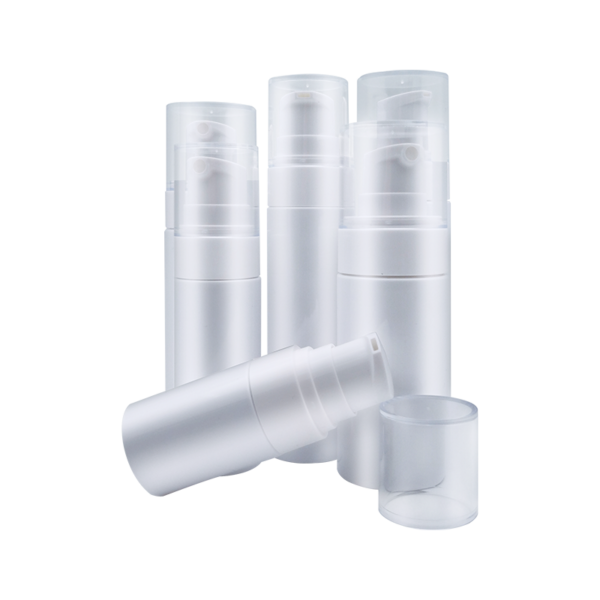
Quick advisory wrap-up—because decisions benefit from clear yardsticks. Use these three metrics when you evaluate: 1) Dose repeatability: target coefficient of variation ≤5% across your viscosity range and 500-cycle endurance. 2) Seal integrity under stress: zero visible leakage after vibration, altitude simulation, and 72-hour thermal swing; verify closure torque retention with a post-ship audit. 3) Prime and recovery: first-prime strokes ≤3 after 30-day rest and valve recovery time under 300 ms between actuations. Hold vendors to data, not adjectives—funny how fast the options narrow when numbers lead. For deeper system tuning and spec alignment, consider partnering with teams who publish process capability and liner-chemistry matching, like NAVI Packaging.