

Clear opening: who does what, and why it matters
Fleet operators must decide whether they buy a telematics stack from a technology vendor or a full service provider; the tradeoffs change day one for installation and keep changing over the fleet’s lifetime. I’ve spent over a decade installing and troubleshooting telematics systems, and the comparison below aims to cut straight to what you’ll actually manage, pay for, and fix. If you need a ready platform to test these trade-offs on live assets, consider a solid fleet management solution that separates hardware, connectivity, and software for clear benchmarking. California fleets face strict emissions and routing rules that make those distinctions urgent; choose based on who owns the data and who owns the problem.

High-level difference
Technology providers build components: hardware modules, gateway firmware, APIs, and analytics libraries. Service providers package those components into an operational offer: installation, continuous monitoring, SLA-backed support, and often a unified billing model. One sells parts and tools; the other sells outcomes. The practical effect: technology vendors shift system assembly and long-term ops to you; service vendors absorb operational overhead but reduce control.
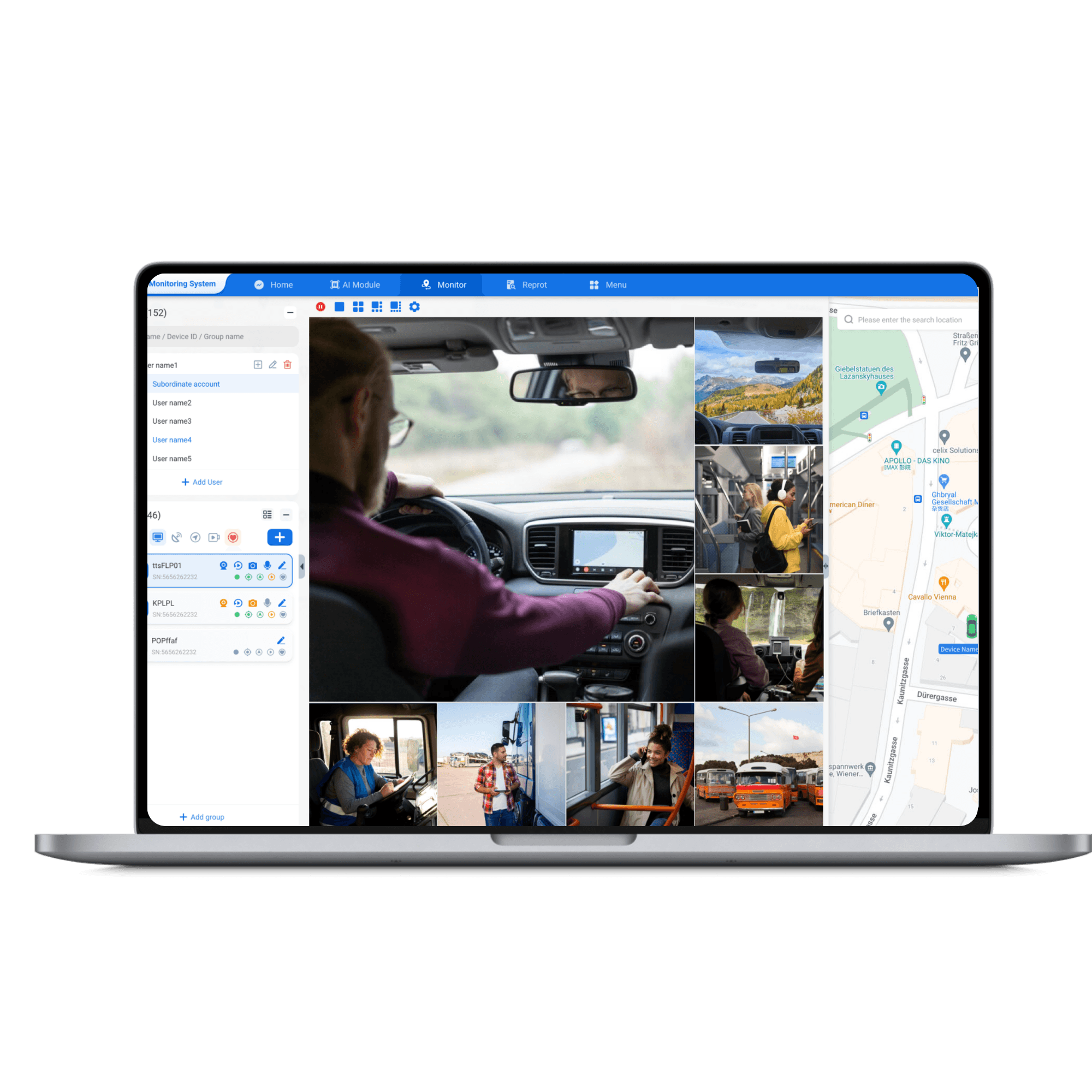
Architecture and data flow
Compare the usual stacks:
– Technology-provider stack: OEM telematics unit → vendor firmware → open or proprietary API → your telematics back end or integrator. You own the integration, decide ingestion cadence, and store raw telemetry.
– Service-provider stack: OEM unit (often standardized) → provider-managed cloud → provider dashboards and alerts → limited export or scheduled feeds. The provider manages ETL and retention; you get processed outputs.
Practical checkpoint: confirm where raw CAN and GPS logs are retained and who can pull them. If you need long-term forensic logs for claims or compliance, a technology-provider approach with controlled ingestion gives clearer access. If you want a single contact for fixes and compliance reporting, the service route is cleaner. For hands-on evaluation, test both with a pilot and compare ingestion latency and export formats against your reporting needs. Another option is to trial third-party fleet telematics solutions that expose both raw and processed endpoints.
Deployment and lifecycle maintenance
Deployment differences matter more at scale:
– Technology vendors expect fleet IT or a systems integrator to handle field installs, firmware upgrades, and cellular provisioning. You schedule OTA updates and monitor device health through vendor tools.
– Service vendors provide installation teams, coordinated OTA windows, and fixed maintenance SLAs. They usually take responsibility for hardware replacements and maintain spare pools.
Cost implication: technology vendors lower recurring fees but increase internal labor and project management costs. Service vendors increase OPEX but reduce internal headcount needed for day-to-day operations.
Integration and customization
Customization is where differences show up fast. Technology providers expose APIs and SDKs. You can integrate telematics into custom dispatch, fuel management, or safety platforms with tight control over data schemas and timing. Service providers may offer pre-built integrations (ERP, TMS, ELD) but limit schema changes; custom hooks come at a premium.
Security, compliance, and data ownership
Ask three concrete questions: who controls authentication, who owns raw telemetry, and who is liable for breaches. Technology vendors usually hand you keys and logs; you must maintain IAM, encryption-at-rest, and retention policies. Service vendors centralize those controls and accept responsibility for compliance, but confirm written terms for data portability and deletion. If you operate in regulated zones like California, verify audit trails and export procedures before signing any long-term contract.
Cost model and pricing levers
Expect different billing structures:
– Technology vendors: hardware capex, per-unit connectivity fees (often negotiated), and optional support contracts. Costs scale with integrations and internal support hours.
– Service vendors: per-vehicle per-month subscription covering hardware financing, connectivity, platform access, and a support layer. Price jumps occur when you request custom exports or SLAs beyond the baseline.
Decision rule: map total cost of ownership across a realistic 3–5 year timeline including internal staffing and replacement cycles. Use real-world failure rates and warranty terms to estimate replacements—don’t rely solely on headline subscription numbers.
Checklist for vendor selection (practical test)
Run these checks during pilots:
– Request raw telemetry exports and measure export latency.
– Test OTA update workflows and rollback procedures.
– Confirm warranty replacement SLAs and spare logistics in your operating region.
– Validate GDPR/CCPA-like controls if you operate across borders—ensure explicit export and deletion paths.
– Simulate a lost-vehicle or crash scenario: who leads the investigation and who furnishes the data?
Typical pitfalls fleet operators make
– Choosing the cheaper monthly plan without verifying data access. You end up paying for reports you can’t modify.
– Underestimating integration complexity: mapping vehicle telemetry to business KPIs takes development cycles.
– Ignoring firmware and hardware lifecycle: older devices can block security updates and force expensive rip-and-replace projects.
– Assuming one vendor will cover everything long-term; build your contract with clear exit paths and data handoff clauses.
Alternatives and tactical mixes
You can mix approaches: buy hardware from a technology vendor, use a managed cloud for normalization, and outsource specific services like installation or compliance reporting to a provider. That hybrid grants control where you need it and hands off repeatable tasks where needed. The hybrid path requires strong vendor orchestration and a clear authority matrix.
Concluding assessment
Pick technology providers if your organization has engineering bandwidth, wants maximum control over data and integrations, and plans bespoke analytics. Pick service providers if you want predictable operations, a single resolution point for incidents, and minimal internal maintenance. For many operators, a hybrid approach balances control and operational simplicity; practical pilots across sample vehicles will expose the real tradeoffs faster than vendor promises. The choice becomes clearer when evaluated against your installation capacity, compliance needs, and appetite for owning the telemetry pipeline—solid technical options from BSJ show how that balance plays out in production-grade deployments.