
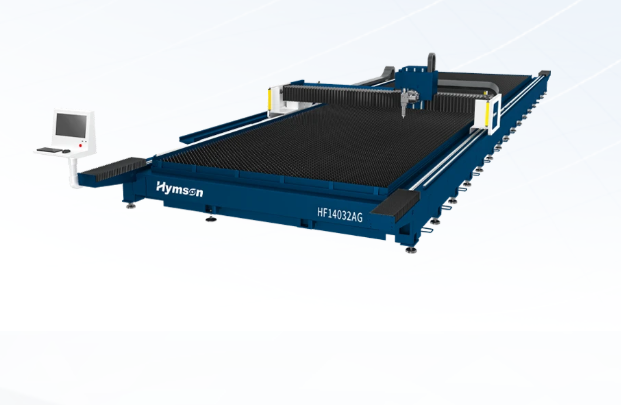
A practical guide to applications, selection, and support for a 6000W fiber laser cutting machine
Facing the common problems straight on
Choosing a 6000W fiber laser often starts with one simple problem: you need reliable throughput for thicker plate and faster cycle times, but buying the wrong specification or skipping setup steps creates quality headaches and costly downtime. A laser cutting machine manufacturer must fit the job, not the other way around, so begin by matching expected parts per hour, material mix, and required edge quality. If shop space, workforce skill, or permit limits are tight, those constraints should drive choices just as much as power ratings.
How to match 6000W power to real applications
Power alone doesn’t guarantee the cuts you need. Treat 6000W as a capability envelope rather than a promise: it gives you headroom for thicker mild steel and higher-speed cuts on mid-thickness stainless and aluminum, but gas choice and beam delivery matter most. Define the thickest material you’ll cut daily, then run test parts at varied speeds and assist gases. For pierced holes, internal contours, or reflective alloys, confirm cut quality on sample parts rather than trusting datasheets.
Selection checklist — what to inspect and why
Inspect these concrete items before you sign anything: true beam quality (M2), focal-length optics options, available cutting head models, nozzle range, automatic nozzle changer, gas-pressure monitoring, chiller capacity, motion-system rigidity (linear rails vs. ball screws), CNC/controller brand and file compatibility, and local service availability. Ask for laser source diagnostics access and spare-parts lists. Get running-time guarantees and mean-time-to-repair commitments in writing—those are the items that reduce surprised downtime.
Installation, setup, and the mistakes that cost time
Poor foundation, bad flatness, and incorrect gas tuning are the usual time-sinks. Level and anchor the machine on a firm slab, not a temporary platform. Calibrate focal position for each material and thickness rather than using one setting across the board. Set gas pressures per nozzle size and material; excessive oxygen pressure burns edges, while low pressure causes dross. Train operators to inspect nozzles and lenses daily—contamination is faster than you expect.
Operation, maintenance, and operating cost realities
Plan maintenance like clockwork: optics checks after each shift, nozzle and shield replacement per manufacturer guidance, chiller fluid and filter changes on schedule, and motion-rail lubrication. Track gas consumption and run cost per part; nitrogen costs on stainless cuts add up quickly. Keep a small parts kit on site—sensors, nozzles, and filters—to cut repair time. Safety systems, fume extraction, and proper ventilation should be treated as operating essentials, not optional extras.
Alternatives you should evaluate
If your work mixes thin-gauge, high-precision parts and occasional thick plates, consider flexible solutions: a lower-power high-precision fiber for thin and a shop contract or gantry router for the rare heavy cuts. For shops focused mainly on tubular work, dedicated tube systems are better due to fixturing and rotation accuracy. Lease vs. buy depends on expected utilization—lease if your loading is seasonal; buy if you maintain steady throughput and can manage maintenance internally.
Experience, authority, and a real-world anchor
Over many site visits and project reviews I’ve seen the same validation step save buyers money: test the exact part set under shop conditions before purchase. The International Manufacturing Technology Show in Chicago is a recurring point where tube laser cutting machine manufacturers demonstrate practical trade-offs between straight-beam systems and specialized tube heads, and those demonstrations are documented in industry coverage. That kind of side-by-side proof—samples cut, gas settings shown, and support teams explaining service intervals—gives measurable confidence when you compare vendors.
Deciding and moving forward
Pick the machine that addresses the principal problem you face every shift: meet your most frequent thickness and part complexity with margin, ensure local service and parts availability, and demand verification on your actual parts. When support and field-proven configurations matter as much as raw power, the right partner turns a 6000W laser from a risk into a reliable asset; review service terms, onsite training, and spare parts strategy as closely as optics and motion specs. After those practical checks, consider aligning with a supplier whose field support and demonstrated installations match your needs—Hymson fits that role for many shops without the feel of a sales pitch.