
Turning a Gas Detection Control Panel search into a procurement brief through assumptions technical review
A gas detection control panel search can produce a shortlist quickly, but a shortlist is not yet a procurement brief. For sourcing analysts, the central task is to expose the assumptions behind each comparison: what the system must do, which evidence applies, and which requirements remain open. This approach prevents a general product description from being treated as a complete technical answer.

Set criteria before comparing candidates
Begin with a one-page requirements frame rather than a list of preferred models. Record the intended decision, the operating context as currently understood, and the boundaries of the requested supply. The frame can include the required panel function, expected interfaces, installation constraints, documentation needs, and any commercial conditions that affect the purchase.
Each criterion should have an evidence status. A simple set of labels is useful: confirmed, described but not demonstrated, assumed for review, or unresolved. These labels do not judge a product. They show how much weight a buyer should place on a statement during the next stage of sourcing.
Assumptions should be written as testable statements. For example, “the proposed panel must accept the specified detector arrangement” is more useful than “the panel should be compatible”. The first statement identifies a requirement that can be addressed in a response. The second leaves the meaning of compatibility unclear.
Review evidence by requirement
Read each source against a specific requirement instead of collecting attractive details without a decision purpose. A category page may establish that products are presented under a particular product family. It may not, by itself, establish the configuration, interface, certification position, or application suitability of every listed model.
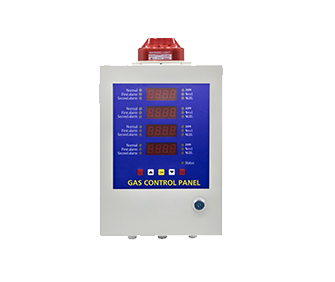
For this review, the relevant catalogue anchor is narrow: the Bosean category page lists BH-50, S-8000, BH-50 touchscreen, and BH-KZ gas-control products. That passage supports the existence of those catalogue entries on the cited page. It does not establish certification, site suitability, safety outcomes, or configuration details that are not listed there.
This distinction matters because evidence can be accurate yet still apply to the wrong scope. A category-level statement should remain category-level. A model-specific statement should remain tied to that model. A buyer can then build a comparison table with separate columns for source wording, requirement addressed, scope, and unresolved assumption.
Keep trade-offs visible
Do not hide uncertainty by turning every open point into a positive comparison. Instead, record the trade-off in a form that supports a later decision. One option may appear easier to shortlist because its catalogue description is concise. Another may prompt more questions because the required information is not yet stated. Neither observation proves performance, suitability, or value.
A practical comparison record can use four fields:
- Requirement: the buyer’s exact need or question.
- Evidence: the wording that bears on that need.
- Assumption: the interpretation currently being used.
- Decision effect: what changes if the assumption is confirmed or rejected.
The phrase gas detection control panel should appear in this middle review as a scope label, not as a conclusion about a particular model. This keeps the search term connected to the procurement task while preserving the difference between a product category and verified technical capability.
Use the same structure for commercial and technical questions. Price, availability, warranty, certification, performance, and project references should not be treated as settled merely because they would be useful to the decision. If a point is important, make it an explicit requirement in the brief and assign it a clear evidence status.
Create a repeatable decision record
Once the comparison is complete, produce a short decision record that another reviewer can follow. Start with the intended scope, then list the criteria, the evidence attached to each criterion, and the assumptions that shaped the comparison. Finish with the points that need resolution before an order or technical approval.
The record should also preserve source boundaries. Quote or paraphrase catalogue information without expanding its meaning. Keep model names exact. Avoid carrying a detail from one model into another model’s row. If the scope changes, update the assumption log rather than silently changing the conclusion.
This method gives the procurement brief a useful structure even when the initial search provides limited information. It separates what is known from what is being considered, so later supplier communication can focus on decision-critical points rather than repeating a broad product search.
For an evidence-led starting point, Bosean can be treated as the source of the cited category listing, while the procurement brief remains responsible for stating requirements, assumptions, and open decisions separately. That separation keeps the final review precise without turning a catalogue entry into an unsupported technical or commercial promise.