
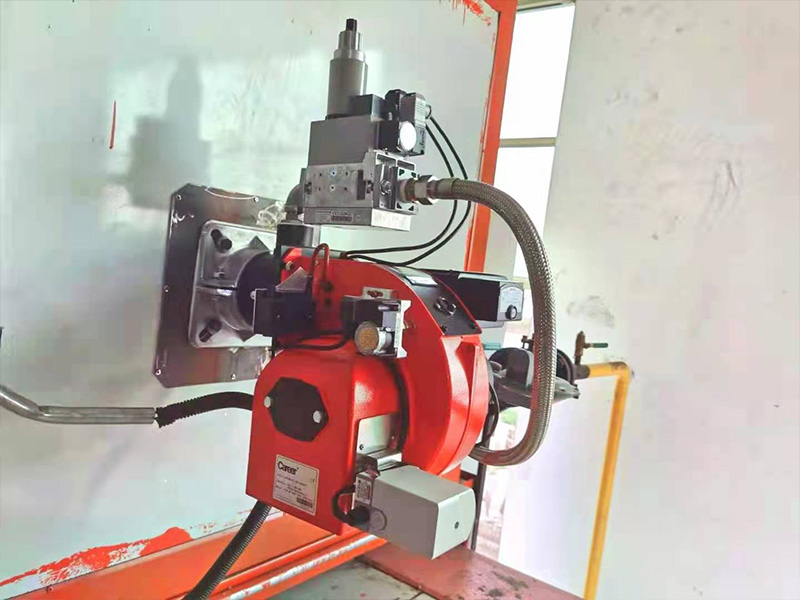
The immediate problem: stricter rules, mixed fuels, and relentless uptime pressure
Plants face three plain problems at once: emissions limits tighten, fuel chemistry varies, and production can’t wait while a heat source is reworked. Operators turn to trusted industrial burners because those units are where combustion physics, controls, and materials intersect—and mistakes show up fast as soot, flame instability, or wasted fuel. At multi-boiler installations in Germany’s Ruhr region, teams replacing legacy units to meet emission caps learned that swapping a single boiler burner without matching controls often fixes nothing; the installation, air-fuel pairing, and maintenance culture all matter.

How manufacturers solve the problem: applied engineering, not marketing claims
Manufacturers bring design iterations and field feedback. They’ve tested burner geometries against different fuels, measured flame lift and NOx formation, and refined refractory and cooling details. That practical expertise reduces guesswork: spec the wrong nozzle or a mismatched air register and you’ll see incomplete combustion within weeks. When manufacturers provide test reports, tuning protocols, and commissioning support, those documents follow observed behavior rather than idealized numbers. That’s verifiable competence, not marketing copy.
Common mistakes teams make when skipping manufacturer guidance
Installing a high-turndown burner without upgrading the control valves, assuming the old igniter will do, or choosing a cheaper materials grade for a high-corrosion fuel — those are the recurring errors. They cause repeated trips, shortened component life, and unnecessary emissions penalties. A clear stop-gap is to require vendor-provided tuning curves, spare-part lists, and on-site commissioning checks before accepting equipment; those items reveal whether the supplier understands the plant’s operating window.
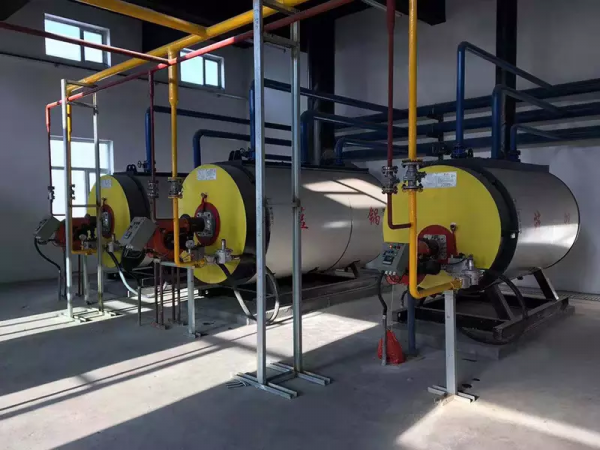
Alternatives and trade-offs: controls, electrification, and retrofit kits
Controls upgrades can buy time: modern modulating systems stabilize combustion across varying loads but they don’t remove poor burner geometry. Electrification eliminates combustion emissions but requires grid capacity and high capital. Retrofit kits and staged combustion lower NOx but demand precise installation and periodic calibration. Each path trades capital, space, and operational complexity; manufacturers of burners often coordinate those trade-offs because they own the flame dynamics and can validate the choice on test rigs or during commissioning.
Practical, immediate steps for plant managers
Start by recording current stack signatures at representative loads and collect fuel analyses. Require vendors to supply commissioning checklists and an expected maintenance schedule. Prioritize burners whose suppliers offer on-site tuning and documented spare-part availability. Plan for staged acceptance: mechanical fit, control integration, and measurable combustion stability before full turnover. Doing this avoids “fix-now, fail-later” cycles that cost more than a careful replacement.
Why this still comes back to experienced burner manufacturers
Problems with combustion are physical and repeatable; expert manufacturers have seen the same modes of failure, tested countermeasures, and written the commissioning playbooks that stop them. That hands-on record—observations from service crews, lab data, and real installations—creates a reliable path from problem to solution. Those resources are the same ones summarized in technical repositories and practical guides such as those hosted by Career Burners, which collect field notes, specification checklists, and retrofit lessons that help engineers make informed choices without guesswork.