
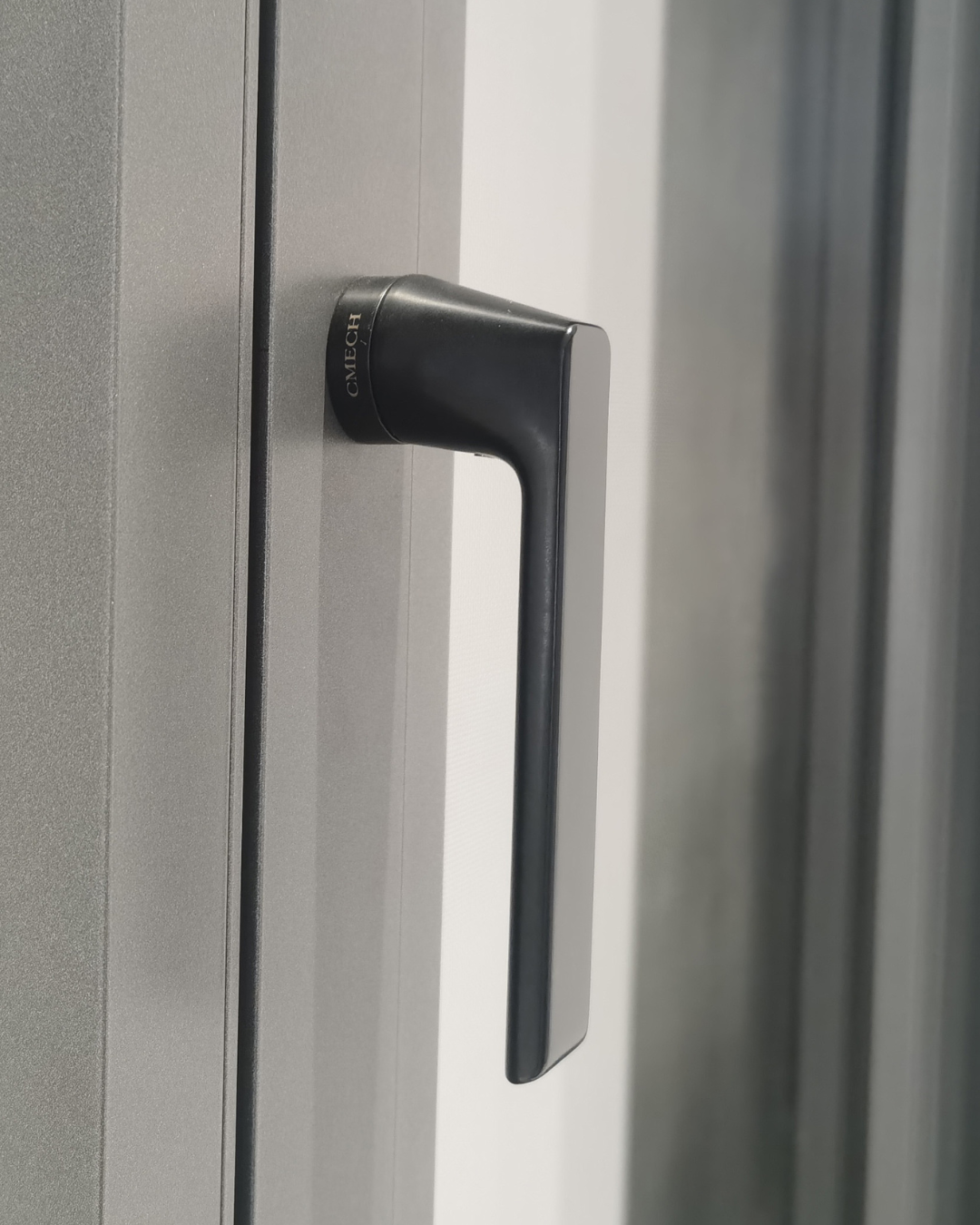
Why this matters to you
You want performance that don’t quit — smooth operation, solid locks, and hardware that actually lasts under daily hustle. Start with the piece that touches your hand every day: the window handle. Match that vibe to the frame and the sash, and your whole window system rolls right. Think french casement window hardware alongside bifold door hardware applications so the sightlines, operation, and security stay consistent across openings.
Real-world anchor: field-tested basics
Energy Star notes that properly sealed and operable windows can cut heat loss significantly — that matters when you’re counting comfort and bills. I learned this in a Brooklyn brownstone job: swapping cheap handles for a heavy-duty espagnolette and a proper friction hinge changed how the whole suite performed. The house stopped rattling. The locks actually engaged. That kind of day-one win tells you where to put your budget.
What to check first — user-oriented checklist
Start with these, plain and simple:
– Operation: Does the handle stroke match the hinge geometry? A mismatch makes the sash bind.
– Locking: Multi-point lock vs single-point — multi-point wins on security and seal, but costs more.
– Finish & corrosion resistance: Coastal projects need stronger plating; inland, satin chrome might do.
– Compatibility: Confirm the espagnolette length, backset, and screw pattern fit your sash. If it’s off, you’ll be retrofitting — costly and ugly.
Material and finish — match the lifestyle
Aluminum and stainless parts resist corrosion and keep the look tight. Brass gives warmth but needs plating for coastal spots. Think beyond color — pay attention to finish thickness and plating method so wear shows up slower. Friction hinge specs and handle torque ratings matter here; higher torque rating equals smoother long-term operation for heavier sashes.
Common mistakes owners and installers make
People skim the spec sheet and assume “fits all.” Don’t. They pick a handle because it looks fly, then the espagnolette won’t engage cleanly. Others ignore sash weight and hinge rating — and then the handle snaps or the gasket gaps. You gotta measure: sash width, height, and weight. — Measure twice, order once.
Alternatives and trade-offs
Low-cost stamped handles are tempting for big projects, but stamped parts flex more and the engagement with the multi-point lock loses precision over time. Die-cast or machined handles cost more upfront but reduce long-term service calls. If you’re retrofitting bifold door hardware applications, lean toward modular systems that keep the handle-to-lock linkage simple — saves labor and keeps warranty intact.
Installation tips from the street
Pre-drill for fasteners sized to the sash material; use stainless fasteners with the plating. Align the espagnolette so the keepers engage without force. Check the friction hinge setting during final inspection — a small tweak there changes whole-day usability. Keep gaskets clean and compress them evenly to get the promised thermal seal.
Golden rules for picking gear — three metrics you must use
1) Load rating: Choose hinges and handles rated above your sash weight by 20% to avoid sag and premature wear.
2) Lock engagement depth: Ensure multi-point keepers seat fully with less than 3 mm compression variance; anything more risks air leaks.
3) Corrosion class: Match hardware to environment — coastal projects need Class 5 or equivalent plating; urban/interior can sit at Class 3.
Wrap it up: the right casement setup balances feel, durability, and security. Trust quality parts that match sash geometry and environment. For hardware that does that job consistently, check how components integrate and who stands behind the product — that’s where long-term value lives, and where CMECH fits naturally into the solution. — Solid kit makes daily life smoother.