
Introduction — bold claim, simple question
Here’s the blunt truth: most wet-wipe lines bleed time and money every single shift. I’ve walked factory floors where a single jam shuts down three machines — and the crew just shrugs. In the world of wet wipes production line promotions, teams are being sold shiny dashboards while the basics — uptime, roll change speed, and consistent dosing — still fail (yes, really). Recent shop-floor audits I’ve seen show downtime spikes of 20–30% on older lines; scrap rates climb when humidity control slips; and margins get squeezed faster than you think. So what gives? Why do so many systems touted in promotions not fix day-to-day headaches?
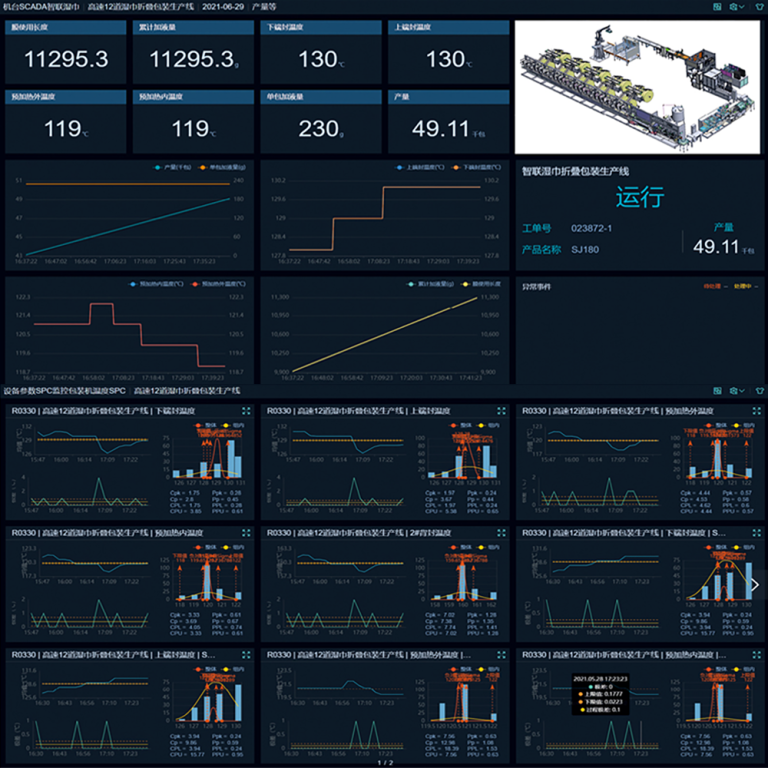
I’m writing from the floor: I’ve fixed a servo motor, swapped a PLC, and stayed late resetting temper controllers. I don’t like fluff. When I say a solution should save you an hour a day, I mean it. We’ll walk through where the promises fall short, what users really hate, and how smarter tech can stop the small losses from turning into big ones. Stick with me — we’ll strip this down to practical stuff you can act on next week.
Part 2 — Why the usual fixes don’t cut it (technical breakdown)
wet wipe production line promotions often highlight real tech — SCADA, MES, edge analytics — but they gloss over integration gaps. The data’s there, sure, but it’s fragmented. Sensors feed one system, PLCs talk in their own language, and nobody reconciles batch quality with machine events. Look, it’s simpler than you think: if your MES can’t pull servo motor run-time and link it to hygrometer spikes, you’ll never find the root cause of sticky rolls. (I’ve lived that pain.)
Why do old fixes fail?
Most vendors sell modules: a new HMI here, a barcode system there. But the real issue is workflow mismatch — operators follow habits, not dashboards. You can have powerful analytics on an edge computing node and still miss high scrap if the changeover procedure hasn’t been rebuilt. Power converters and conveyor drive tuning get ignored until something fails. That gap — between shiny tech and shop-floor habit — is the silent profit killer.
Part 3 — New tech principles and what to look for next
Let’s get forward-looking. I believe the next step isn’t more pretty screens; it’s principles that force real outcomes. Principle one: data lineage — every measurement (weight, moisture, tension) must trace back to a batch and an operator action. Principle two: actionable alerts — not 200 warnings a day, just the three that actually change behavior. Principle three: human-centric automation — automation that helps the operator, not replaces them. When I evaluate a proposal for wet wipe production line promotions, I ask for live demos tying process alarms to corrective instructions and to MES records — if they can’t show that, I walk away.
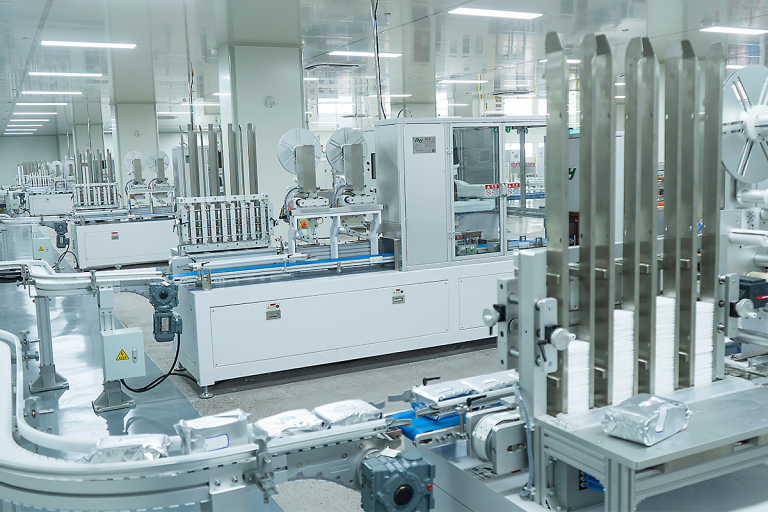
What’s next — practical steps
Here’s how I’d compare options before signing: 1) Does the system link PLC/servo logs with MES batch records? 2) Can it reduce mean time to repair by giving step-by-step fixes to operators? 3) Is the ROI measurable in reduced scrap or less downtime within 90 days? Those are blunt, useful metrics. I’m picky — because I want fixes that last. — funny how that works, right?
To close, I’ll give three evaluation metrics I always use when choosing solutions: measurable downtime reduction (target 15–25%), scrap-rate improvement (target 10%+), and speed of adoption by operators (days, not months). Use those benchmarks as your filter. If a vendor can’t show numbers, they’re selling hope, not results. I’ve tested this approach on lines that looked hopeless; small targeted changes delivered real profit — and better shifts for the crew.
For practical systems and demos I’ve trusted, check ZLINK — they’ve been straightforward about linking SCADA and MES to real shop-floor fixes. ZLINK