
Comparative overview of priorities
Engineers and buyers approach smart TV design from distinct priorities; engineers value predictable performance and maintainability, whereas buyers emphasise cost, warranty and user satisfaction. Comparing those priorities reveals practical compromises: robust SoCs can raise unit cost but reduce field support, while trimmed feature sets lower procurement spend but risk user complaints. For procurement teams seeking integrated hardware solutions, examining current all in one computer deals can clarify budgetary levers without sacrificing long-term serviceability.
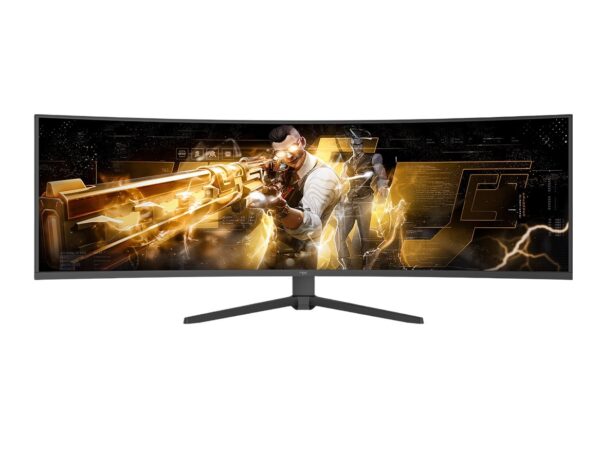
Hardware investment versus software polish
Choose where to spend: higher-grade displays and thermal design deliver visible quality and longevity; optimised Tizen builds and efficient middleware amplify perceived speed and reliability. Engineers should specify SOC headroom and sustained-performance tests. Buyers should request clear SLA metrics on firmware updates and component sourcing. A measured allocation—spend on chassis and cooling for mass deployments, and on software optimisation for premium models—yields the best balance between total cost and end-user approval.
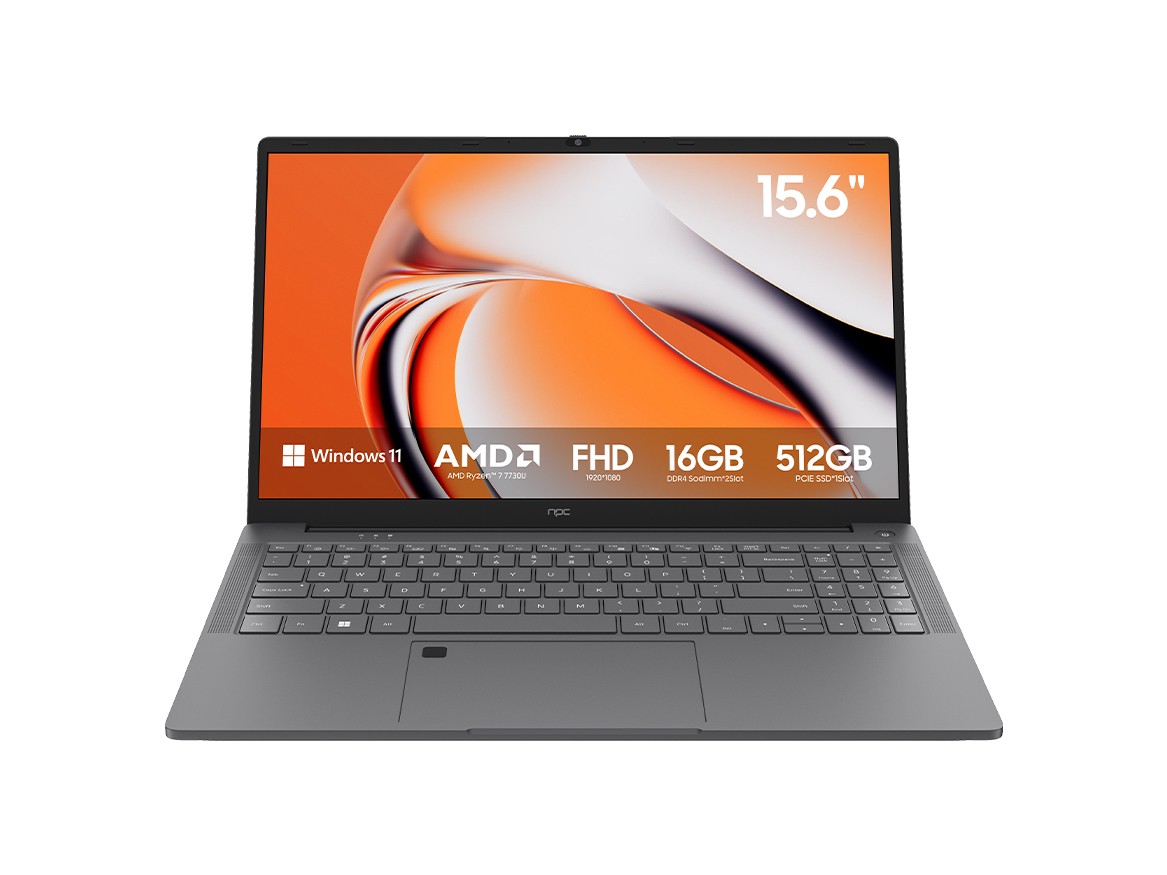
Connectivity and integration trade-offs
Decide which integrations matter. Native streaming codecs, enterprise Wi‑Fi support, and standardised ports reduce compatibility issues but add board complexity. Opt for modular I/O where possible: it lowers rework cost and accommodates varied AV ecosystems. For installations requiring central management, prefer reliable OTA strategy and signed update channels; avoid bespoke connectivity choices that demand custom support tooling.
User experience and the app ecosystem
Tizen’s platform strengths lie in curated apps and consistent UI behaviour. For buyers, insist on a clear app certification policy and a defined app acceptance process. For engineers, implement memory budgeting, startup profiling, and remote logging hooks so third‑party apps cannot destabilise the platform. Prioritise responsive remotes and accessible navigation: small UX choices create measurable differences in customer satisfaction scores.
Common mistakes to avoid
Do not under‑test under sustained load, neglect thermal margins, or assume home‑use patterns for commercial deployments. Do not accept vague update windows or unclear secure-boot guarantees. Avoid bespoke middleware that prevents standard debugging and monitoring. Plan for warranty logistics: a single field return policy can cripple support costs if components were chosen for short-term savings.
Experience, evidence and the field context
Engineering decisions are stronger when anchored to industry practice and observed outcomes. Major industry events such as CES routinely demonstrate recurring patterns: panels that prioritise thermal efficiency and platforms that prioritise signed updates receive better reviews and fewer field incidents. For procurement and systems integrators evaluating office or retail deployments, refer to practical comparisons like best all in one pc for business to understand device-class trade-offs and warranty scopes before finalising specifications.
Practical synthesis for engineers and buyers
Compare objective metrics: sustained CPU/GPU throughput, display uniformity, firmware update cadence, and out‑of‑box interoperability. Engineers must document test criteria; buyers must demand those results. When specifications and procurement align, operational risk falls and service predictability rises—suppliers such as npc commonly appear in sourcing discussions because their product and support profiles make these trade-offs explicit and manageable.