
Fresh comparative angle — why it matters in the ward
New BiPAP designs are changing bedside choices, and that affects how teams pick a medical ventilator for acute care. The comparison has to be practical — not just spec-speak — because nurses and RTs on shifts need tools that behave predictably. This piece takes a straight, comparative-insight approach from a Hong Kong clinical viewpoint, showing where BiPAP innovations really displace or complement high-flow systems.
Core technical differences you’ll actually use
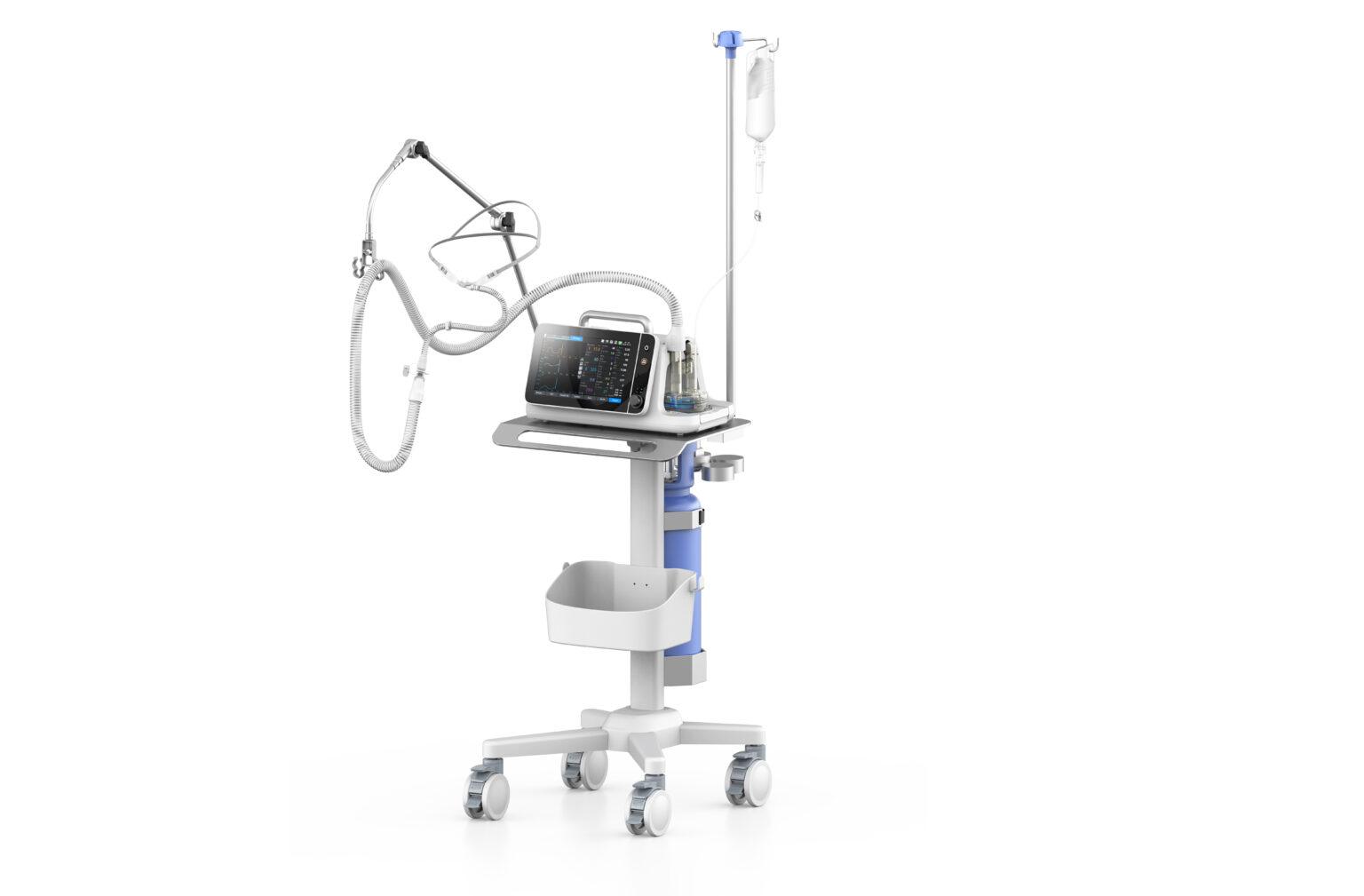
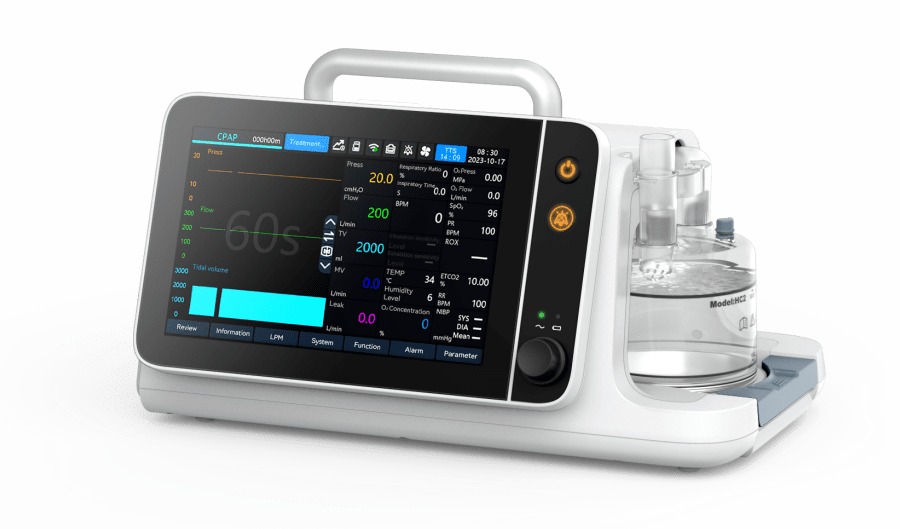
BiPAP remains rooted in bilevel pressure control and rapid tidal volume response, while high-flow nasal cannula (HFNC) focuses on delivering warmed, humidified flow with set FiO2 and variable PEEP effect. For clinicians, the meaningful terms are simple: inspiratory/expiratory pressure support for BiPAP, and flow rate plus humidification for HFNC. Real-life trade-offs: BiPAP gives tighter ventilation control for hypercapnia, HFNC eases work of breathing and secretion clearance. The new generation BiPAP units tighten leak compensation and auto-adjust pressure—so you get more stable tidal volumes without fiddly alarms, lah.
When both systems sit at the bedside — practical deployment
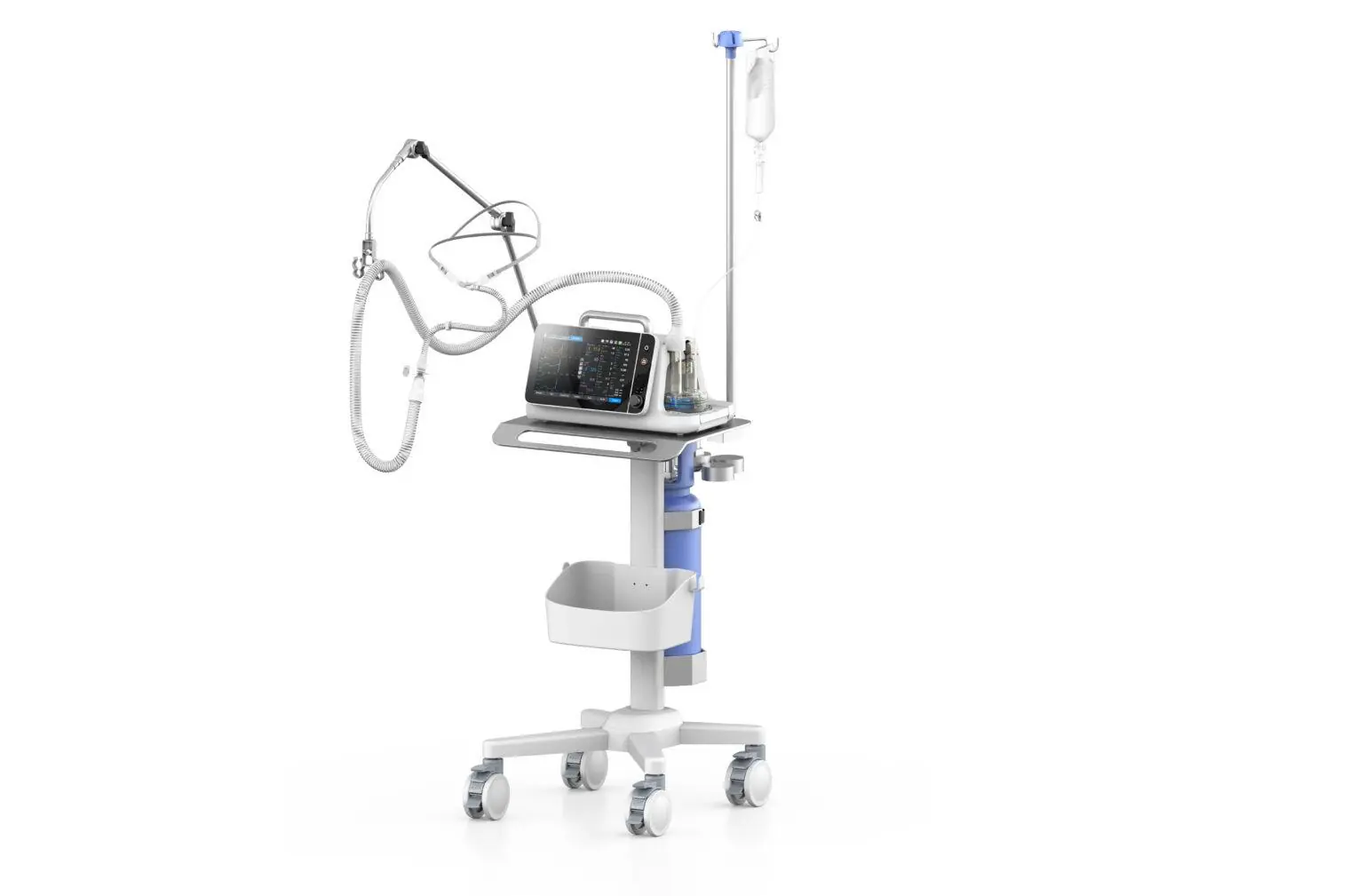
Think Queen Mary Hospital during the 2020 COVID surge: clinicians rotated devices by indications rather than brand. HFNC handled hypoxaemia en masse; BiPAP was reserved for patients needing ventilatory support or CO2 correction. The importance wasn’t marketing, it was workflow: oxygen source compatibility, humidifier maintenance, and staff familiarity. Humidification and FiO2 controls must be straightforward; that’s where newer BiPAP designs scored in quick-turnover wards. Also, connecting an hfnc machine often simplified oxygen logistics for step-down patients — less switching, fewer interruptions.
Common mistakes teams make — and how to avoid them
One: choosing by price rather than clinical fit. Two: neglecting consumables planning — tubing, filters, and heated circuits matter. Three: undertraining staff on leak management and PEEP behaviour. A short checklist helps: match device capabilities to patient physiology; simulate alarm scenarios before clinical use; keep a clear plan for escalation from HFNC to BiPAP or to invasive ventilation. — Small drills save delays when the patient actually decompensates.
Alternatives and hybrid strategies
Modern practice often mixes both tools. Use HFNC for hypoxic, tachypnoeic patients who still have intact ventilation; shift to BiPAP if CO2 retention or fatigue appears. For some cases, a stepwise protocol (HFNC → BiPAP with cautious PEEP → invasive ventilation) reduces intubation rates while prioritising comfort. Device interoperability is key: check oxygen supply demands, alarm integration into electronic records, and humidifier compatibility before procurement.
Real-world anchor and evidence lens
During the early COVID-19 waves, global guidance and hospital reports showed that strategic HFNC deployment reduced immediate intubations in many centres. That situational evidence — from public hospital datasets and frontline reports — remains the strongest anchor: outcomes improved when teams matched device physiology to patient needs, not brand claims. Industry terms here: non-invasive ventilation (NIV), PEEP modulation, and flow rate stability.
Three evaluation metrics to guide selection
1) Clinical responsiveness: measure how well the device maintains target tidal volume or target SpO2/FiO2 under common leak and movement conditions. Prioritise measured stability over advertised features.
2) Workflow fit: evaluate humidification upkeep, consumable supply chain, and staff training time. A device that needs less nursing time reduces errors and interruptions.
3) Escalation clarity: the device should have transparent thresholds and easy transition paths — clear indicators when to escalate from HFNC to BiPAP, and when to consider intubation.
Trust practical performance metrics, not glossy claims — and remember that a well-chosen device reduces patient distress and staff workload. Byond. —