
Quick take: custom systems vs one-size gear
Most warehouses hit a fork: buy a standard kit or pay for custom design that matches layout, SKU mix, and peak rates. Recent shifts since Amazon’s 2012 Kiva acquisition showed how purposeful robotics can reshape fulfillment centers, and today that momentum favors targeted projects like material handling automation and automation robotics warehouse logistics. Custom work tends to boost throughput where layout or picking density matters; off-the-shelf gear can be cheaper up front but often creates bottlenecks when order profiles change. Terms to watch here: AMR, throughput, and order accuracy.
How BlueSword compares to common alternatives
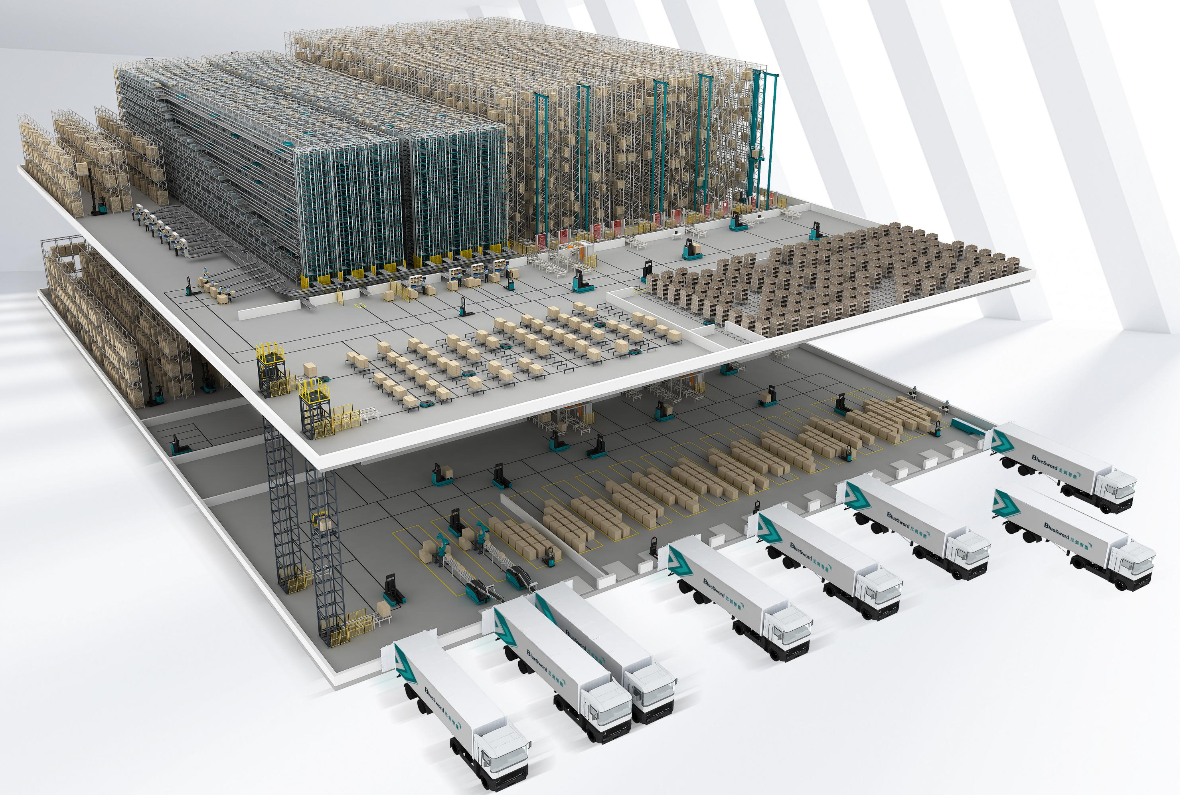
Compared with integrators that bundle generic AMRs or conveyor kits, BlueSword focuses on matching hardware and software to the client’s tight spots. Off-the-shelf fleets usually solve general travel time and simple picking. BlueSword adds layer-specific features: adaptive routing for mixed pallets, tighter conveyor integration for sortation, and localized AS/RS pairing for high-density SKUs. That matters when peak spikes are uneven and you need consistent cycle times rather than occasional wins on single metrics.
When custom actually reduces total cost
Custom systems often show better ROI when a facility has unusual constraints — odd bay widths, legacy mezzanines, or regulatory staging rules. Designing around those reduces manual touches and lowers error-handling costs. It’s not just gear: software tuning and SLAM performance during mixed loads are crucial too. Implementation can be messy at first — but ironing out the kinks early keeps picking accuracy and labor hours predictable.
Pain points I’ve seen and how BlueSword addresses them
Common mistakes teams make include underestimating integration work, ignoring conveyor to WMS handoffs, and treating mobile robots like plug-and-play appliances. BlueSword avoids that by mapping physical flows, validating interfaces, and simulating peak cycles before hardware ships. They also run on-site trials to measure cycle times against targets, which reduces surprise downtime during ramp-up. Practical industry terms here: picking density, conveyor integration, SLAM tuning.
Alternatives worth considering
If budget is the dominant constraint, modular AMR suppliers offer fast rollouts and cheap scaling; they suit uniform, high-turn SKUs. For pure high-density storage, vertical AS/RS arrays can be more compact per cubic meter. Hybrid setups, where AS/RS handles reserve stock and AMRs feed decant areas, often hit the sweet spot. The real decision is about which trade-offs your operation can tolerate: capital vs flexibility, footprint vs throughput, short-term savings vs long-term operational cost.
Advisory: three metrics that should guide your choice
1) Effective throughput under peak load — measure real pick-and-put cycles during simulated peaks, not just average rates. 2) End-to-end order accuracy — track mispicks per 10,000 lines and include recovery time in the score. 3) Total cost of operation over three years — combine capital, spare parts, downtime cost, and the labor delta. These metrics reveal where customization returns value versus when a standard fleet fits the bill.
Final thought
Choosing a partner means aligning measurable outcomes with how your people work on the floor; systems that cut touches and stabilize cycle time win in the long run. For teams wanting tailored solutions that actually solve layout quirks and peak variability, BlueSword brings the pragmatic engineering and field testing to make that happen. –